
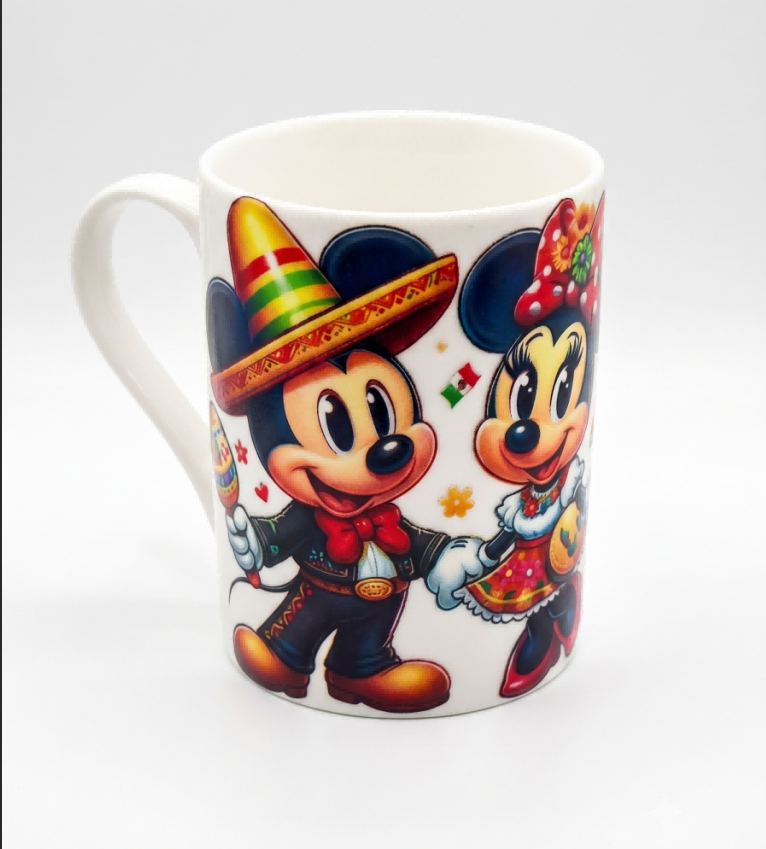
"How long will this last?" is the single most common question a customer asks before ordering a custom tumbler, car decal, or storefront sign — and it's also the question shops most often answer with a guess instead of a real number. That guess is where most avoidable customer complaints come from. Give a customer accurate expectations up front, and a transfer that shows normal wear after two years reads as expected. Give them an unrealistic "it lasts forever" answer, and that same transfer reads as a failure. This guide breaks down what actually determines UV DTF lifespan, by use case, so you can set expectations that match reality.
There's No Single Answer — It Depends on 3 Factors
Under good conditions with proper application, UV DTF transfers commonly hold up for 2 to 5 years — but that range is wide for a reason. Three variables determine where any individual transfer lands in it:
- Material — what the transfer is applied to. Rigid, high-surface-energy substrates like stainless steel, glass, and ceramic hold a bond longer and more predictably than flexible or low-surface-energy materials (see our substrate adhesion guide for which materials fall into which category).
- Environment — how much UV exposure, temperature swings, and moisture the transfer sees day to day. This is the single biggest swing factor between the low and high end of the durability range, covered in detail below.
- Frequency of use and handling — how often the item is washed, how it's cleaned, and how much physical handling or flexing it sees. A display piece that never gets touched will always outlast a tumbler that gets hand-washed daily.
Durability by Use Case
| Use Case | Expected Lifespan | Main Aging Factor | Care Recommendation |
|---|---|---|---|
| Tumblers & Drinkware | 1–3 years with regular use | Frequent hand-washing, handling oils, temperature swings (hot car, dishwasher heat) | Hand wash only, mild detergent, avoid the dishwasher |
| Car Decals & Window Stickers | 2–4 years outdoors | Direct UV exposure, temperature cycling, road grime and washing | Avoid high-pressure car washes directly on the decal; hand wash when possible |
| Outdoor Signage | 2–5 years | Constant UV exposure, rain, and temperature extremes; orientation matters (south-facing surfaces age faster) | Periodic gentle cleaning; consider a protective clear coat for high-exposure installations |
| Packaging Labels & Product Branding | Life of the product (typically under 1–2 years in use) | Handling, shipping abrasion, occasional moisture exposure | Standard handling is usually sufficient — labels rarely outlive the product itself |
| Jewelry & Small Accessories | 1–2 years with daily wear | Constant skin contact, oils, frequent flexing, exposure to lotions/perfume | Wipe clean, avoid submerging in water or contact with alcohol-based products |
These are general ranges based on typical conditions and proper application — a poorly prepped substrate or a rushed application can cut any of these numbers significantly short, while a well-prepped, lightly-used item can outlast the high end.
Indoor vs. Outdoor: Why the Gap Is So Big
The difference between a transfer that lasts two years and one that lasts five almost always comes down to environment, and three factors drive that gap:
UV exposure is the biggest one. Direct sunlight degrades ink pigments and the adhesive layer over time — it's the same reason car dashboards fade and outdoor furniture chalks over years of sun exposure. An identical transfer kept indoors, away from direct sunlight, will consistently outlast one mounted on a south-facing window or a car's exterior.
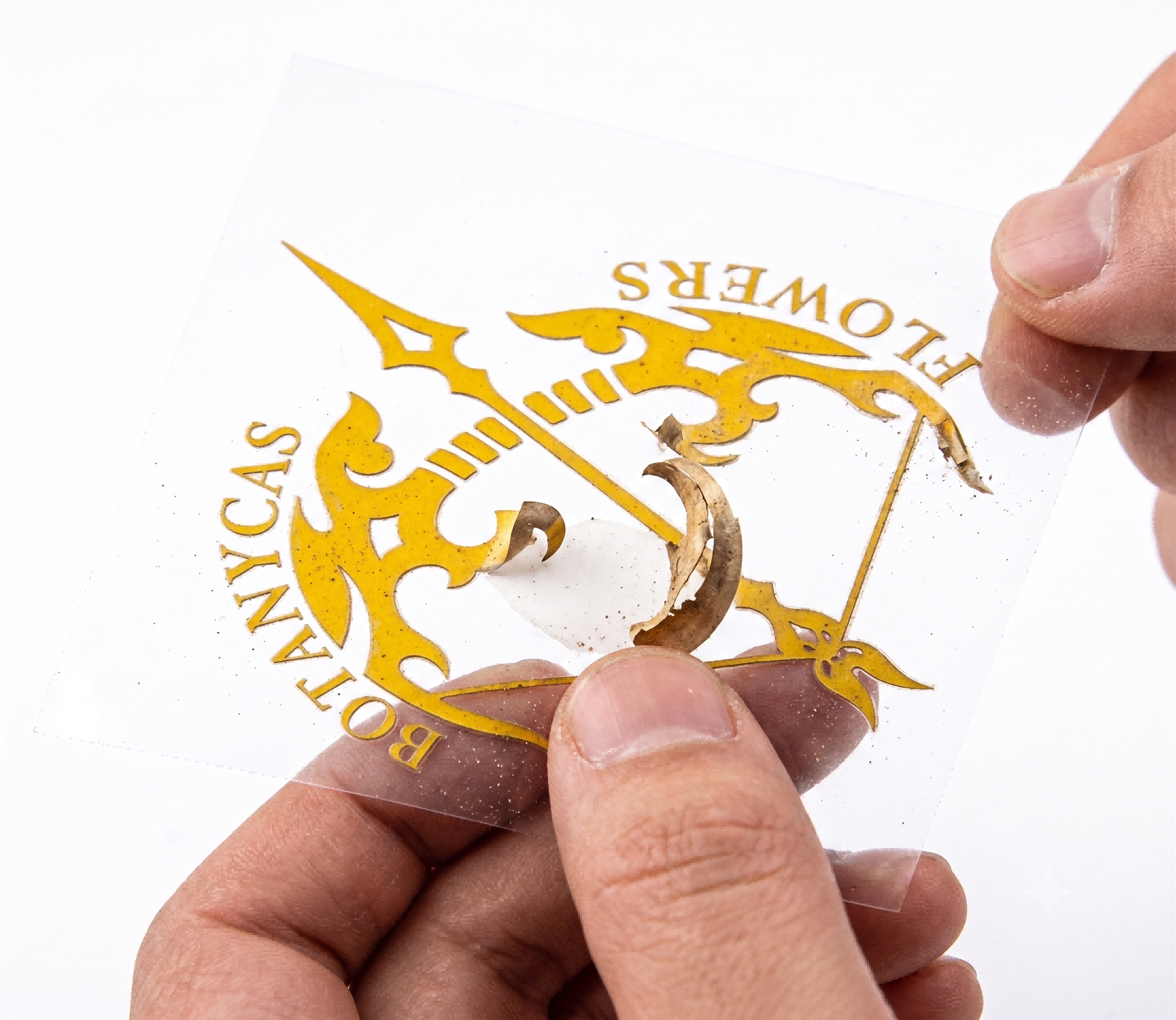
Temperature cycling compounds UV damage. Outdoor items don't just sit in the sun — they expand in the heat and contract in the cold, day after day, and that repeated stress on the adhesive bond is a major contributor to the edge lift and cracking that show up faster outdoors than in a climate-controlled indoor environment.
Wash frequency matters most for anything handled daily, like drinkware. Every wash cycle is a small amount of mechanical and chemical stress on the surface — which is why a display piece that's dusted occasionally will always outlast a tumbler that's hand-washed after every use, even though both are technically "indoor" items.
How to Extend the Life of Any UV DTF Transfer
Regardless of use case, the same handful of habits meaningfully extend how long a transfer holds up.
Step 1: Hand Wash, Don't Dishwasher
For anything that gets washed — tumblers especially — hand washing with a mild detergent and a soft cloth is the standard. Dishwasher heat, water pressure, and detergent chemicals are harsher than most UV DTF transfers are built to withstand repeatedly.
Step 2: Avoid Harsh Chemicals
Skip abrasive scrubbers, bleach-based cleaners, and strong solvents on or near the transfer. Alcohol-based cleaners in particular can degrade the adhesive layer with repeated contact over time — fine for the occasional wipe-down during application, but not for routine cleaning.
Step 3: Minimize Direct, Prolonged Sun Exposure Where Possible
For items that don't need to be outdoors constantly, keeping them out of direct sunlight when not in use meaningfully slows UV-related fading and adhesive breakdown.
Step 4: Consider a Clear Epoxy Coat for High-Wear Items
For tumblers, jewelry, or any item that will see heavy daily handling, some shops apply a clear epoxy resin coat over the finished transfer as an added protective layer. This isn't part of the standard UV DTF process, but it's a common add-on for shops that want to push durability toward the higher end of the range for their most frequently-used products.
Step 5: Let It Fully Cure Before First Use
Give a freshly applied transfer at least 24 hours before washing it or putting it into regular use. Rushing this step is one of the most common ways to shorten a transfer's effective lifespan before it's even left the shop.
Setting the Right Customer Expectations — Care Card Template
The single easiest way to reduce "why did my sticker peel" complaints is to tell customers what to expect before they ask. Feel free to adapt this card and include it with orders:
Caring for Your Custom UV DTF Transfer
Your transfer is built to last, with typical use. To get the most life out of it:
- Hand wash only — avoid the dishwasher
- Use a mild detergent and a soft cloth; skip abrasive scrubbers and bleach-based cleaners
- Wait 24 hours after receiving before its first wash or heavy use
- Keep it out of direct, prolonged sunlight when possible
- With normal care, expect 1–5 years of life depending on how the item is used and stored
Questions about your order? Contact us — we're happy to help.
Building on a Complete UV Printing Material System
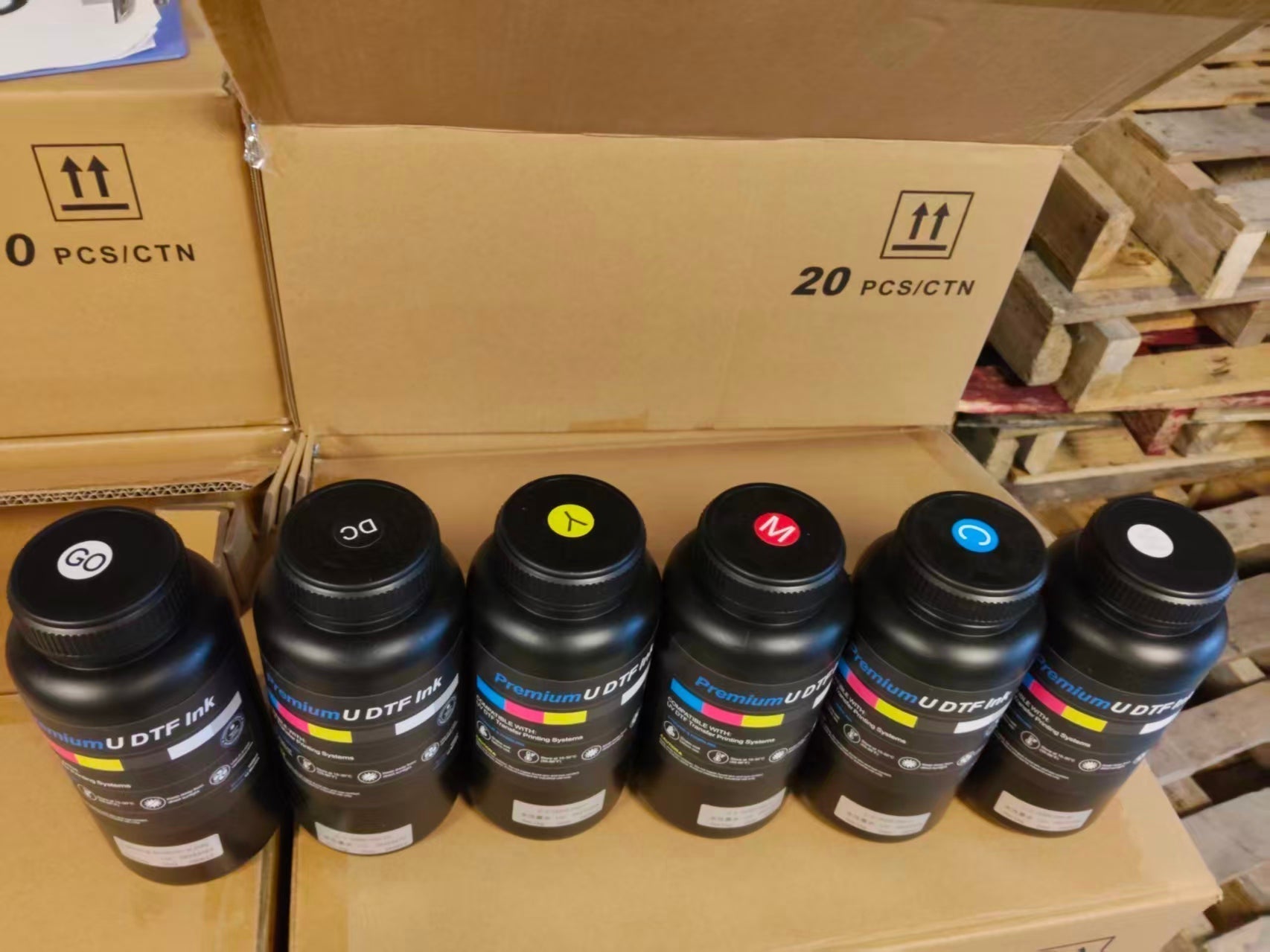
Durability isn't the result of any single component — it's the film, the ink, and the application process all holding up together over time. Our UV Printing Materials collection covers the full system: UV DTF AB film for the transfer and adhesive layer, and UV DTF ink formulated for consistent, fade-resistant color across the printhead types most UV DTF printers run on. Rather than piecing together mismatched film and ink from different suppliers — which is its own common cause of unpredictable durability — sourcing the full system from one place keeps the variables consistent from batch to batch.
Frequently Asked Questions
Is UV DTF a permanent sticker?
Not permanent in the sense of lasting forever, but it is a durable, long-term transfer under normal conditions — typically 2 to 5 years depending on the substrate, environment, and how the item is used and cleaned. "Semi-permanent" is a more accurate way to set expectations than "permanent."
Is UV DTF dishwasher safe?
No. UV DTF transfers should be hand washed to get the longest life out of them. Dishwasher heat, water pressure, and detergent chemicals will degrade the adhesive and print quality faster than normal hand-wash use — this is one of the most important things to communicate to customers up front, since it's also one of the most common causes of early complaints.
Order Direct From a US-Based Supplier — Fast Shipping, Real Support
Setting accurate durability expectations only works if the material behind those expectations is consistent, order after order. SHL Supply ships every order within 48 hours from our own warehouse — no customs delays, no overseas lead times.
SHL Supply 12155 Mora Dr, Santa Fe Springs, CA 90670 Phone: 562-203-5165 | Email: info@shl-supply.com Hours: Monday–Friday, 9:00 AM – 5:00 PM (local pickup available)
Every order is backed by a straightforward policy: a money-back guarantee, free returns on any defective film or ink, and a flat 15% restocking fee on non-defective returns — no fine print, no surprises. If you're building customer-facing durability claims around our materials, our support team can help make sure what you're telling your customers matches what the product actually delivers.
Ready to build on a consistent, complete material system? Browse the full UV Printing Materials collection — AB film and UV DTF ink, in stock and ready to ship. For application-specific guidance, see our guides on How to Print on Tumblers with UV DTF Film and on diagnosing delayed adhesive lift before it reaches a customer.

Leave a comment
This site is protected by hCaptcha and the hCaptcha Privacy Policy and Terms of Service apply.