
TPU Ink vs. A+B Film Ink: Which UV DTF Ink Should You Actually Use?
They both say "UV DTF ink" on the label, but they are not the same product — and using the wrong one is the #1 reason shops see cracked prints or a ruined batch of transfers.
If you print UV DTF transfers, you've probably noticed that ink suppliers sell two different products under the same "UV DTF ink" umbrella: a hard/neutral ink for standard A+B film, and a soft TPU ink for flexible 3D transfers. They look similar in the bottle. They are not similar once they cure. This guide breaks down exactly what separates A+B film ink from TPU ink, when to use each one, and how to avoid the mistake that ruins the most production runs: treating them as interchangeable.
What Is UV DTF Ink? A Quick Refresher
UV DTF ink is a UV-curable ink that hardens almost instantly under UV/LED light instead of drying with heat. It's printed onto a transfer film — either A+B transfer film for rigid, cold-peel graphics, or TPU heat transfer film for flexible, raised graphics on fabric — and then applied to the final product. The printer and the curing method are the same across both workflows. What changes underneath is the ink chemistry, and that's where most of the confusion (and most of the print failures) start.
TPU Ink vs. A+B Film Ink: The Core Difference
The short version: A+B film ink is engineered to cure hard. TPU ink is engineered to cure soft. Everything else — durability, use case, which film it pairs with — follows from that one decision.
What Makes A+B Film Ink "Hard"
A+B film ink is built around rigid acrylate oligomers. Once cured under UV light, it forms a dense, glass-like film with strong adhesion, high gloss, and excellent scratch and chemical resistance. That's exactly what you want on a tumbler, an acrylic sign, or a glass ornament — surfaces that don't flex. It's a poor fit for anything that bends, because the cured film has almost no elasticity and will crack under repeated flexing.
What Makes TPU Ink "Soft"
TPU ink swaps in urethane acrylate oligomers and longer-chain monomers, with a lower viscosity and a slightly slower cure to relieve internal stress as it sets. The result is a rubbery, elastic film that flexes and stretches with fabric instead of fighting it. That's what lets a printed logo survive a 180° fold or a season of stretching on a jersey without fracturing on the surface.
The mistake to avoid: TPU ink and A+B film ink use different resin chemistry and should never be mixed in the same tank, tubing, or printhead channel. Combining them can trigger clogging, adhesion failure, and uneven curing — enough to take a printhead offline mid-run.
TPU Ink vs. A+B Film Ink: Side-by-Side Comparison
| Dimension | TPU Ink (Soft) | A+B Film Ink (Hard/Neutral) |
|---|---|---|
| Oligomer base | Urethane acrylate, long-chain monomers | Rigid acrylate oligomers |
| Cured state | Rubbery, elastic film | Glass-like, dense film |
| Flex & stretch resistance | Bends and stretches without cracking | Cracks under repeated flex |
| Scratch & chemical resistance | Moderate | High |
| Pairs with | TPU heat transfer film | A+B transfer film |
| Application method | Print → heat press onto fabric (140–160°C, 10–15s) | Print → cold-peel, pressure-applied to rigid surface |
| Best substrates | Jerseys, hoodies, hats, stretch fabric | Glass, acrylic, metal, wood, tumblers |
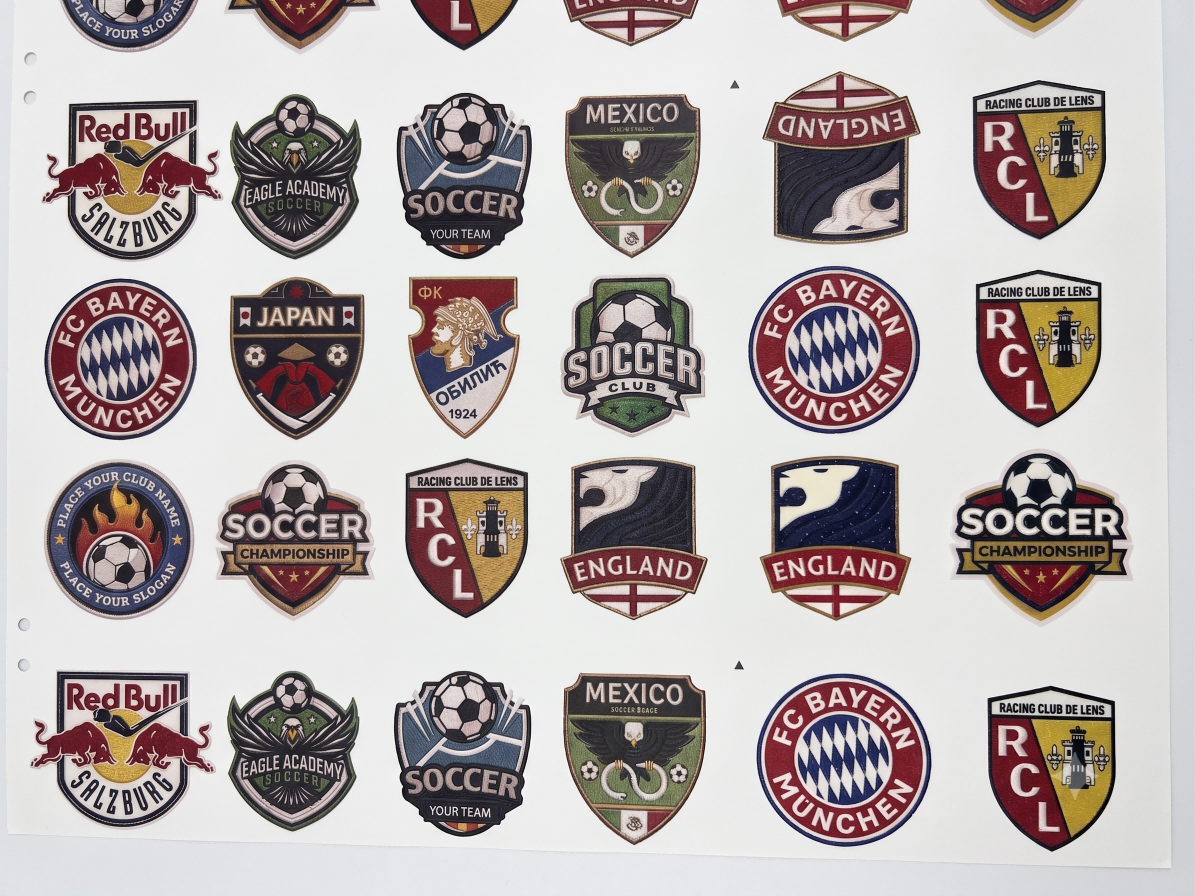
| Typical output | Raised, 3D puff-style graphics | Flat, high-gloss graphics |
| Printhead compatibility | i3200, XP600, i1600, TX800, DX5/DX7 | |
| Can they be mixed? | No — causes clogging, adhesion failure and uneven cure | |
When to Use Each Ink
Choose A+B Film Ink If You're Printing On…
- Tumblers, mugs, and drinkware
- Glass, acrylic, or metal signage
- Phone cases and hard plastic goods
- Wood crafts and keychains
- Curved or irregular rigid surfaces
This is the ink to pair with UV DTF A+B film, which cold-transfers with pressure alone — no heat press required — and holds up 2–5 years indoors or outdoors once cured.
Choose TPU Ink If You're Printing On…
- Sports jerseys and team uniforms
- Hoodies, T-shirts, and streetwear
- Hats and beanie labels
- Activewear and swimwear
- 3D puff stickers, patches, and embossed logos
This is the ink to pair with 3D TPU heat transfer film, which is heat-pressed onto fabric (roughly 140–160°C for 10–15 seconds) and rated for 50+ industrial wash cycles at a 5–20% stretch ratio.
How to Choose the Right UV DTF Ink for Your Shop
- Identify your substrate. Rigid (glass, acrylic, metal, wood) points to A+B film ink. Flexible (fabric, stretch garments) points to TPU ink.
- Match the ink to the film. A+B film ink goes on A+B transfer film. TPU ink goes on TPU heat transfer film. Don't cross the pairing.
- Confirm printhead and RIP compatibility. Both ink lines are formulated for common heads like the i3200 and XP600 — but always check your RIP layering profile before a full run, especially for the multi-pass layering that builds a 3D puff effect.
- Run a small test first. Fold-test TPU prints at 180° for cracking; scratch-test A+B prints for adhesion and gloss before committing to a production batch.
- Keep ink lines physically separate. Different tanks, different tubing, different printhead channels — never run both chemistries through the same line.
Can You Use One Ink for Both Jobs?
No — and this is the single most common support question we get from shops that are new to UV DTF. A+B film ink cures too hard to survive fabric movement, so it will crack on a hoodie or a jersey within days of normal wear. TPU ink cures too soft to deliver the scratch resistance a rigid surface needs, so it will scuff and dull faster on a tumbler or acrylic sign. If your shop runs both hard-surface and soft-fabric jobs, budget for two dedicated ink sets rather than trying to make one ink do both jobs.
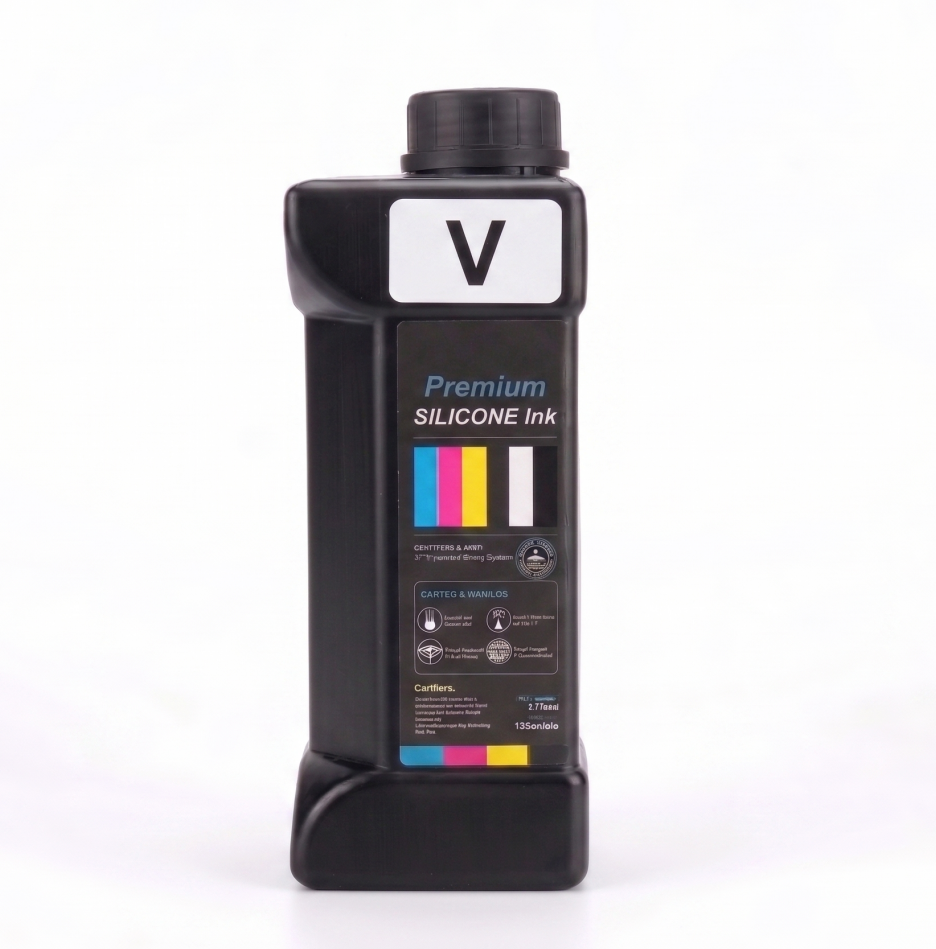
TPU UV DTF Ink
Flexible 3D silicone-style ink for TPU film transfers — 0 cracks at 180° fold, compatible with i3200/XP600.
Premium UV DTF Ink (1000ml)
Piezo-safe, instant-cure ink for glass, acrylic, wood and metal — CMYK + White + Varnish.
Why US Print Shops Buy UV DTF Ink From SHL LA Supply
We stock both ink lines — and the films that pair with them — in our own Southern California warehouse, so you're not waiting on a container from overseas to keep your press running.
Frequently Asked Questions
What is the actual difference between TPU ink and A+B film ink?+
A+B film ink uses rigid acrylate oligomers that cure into a hard, glass-like film for scratch and chemical resistance on rigid surfaces. TPU ink uses urethane acrylate oligomers that cure into a soft, rubbery film that flexes with fabric. They're different chemistries built for different substrates, not two versions of the same product.
Can I mix TPU ink and A+B film ink in the same printer?+
No. Mixing the two chemistries can cause clogging, adhesion failure, and uneven curing. Run them through separate tanks, lines, and printhead channels.
Which printheads are these inks compatible with?+
Both ink lines are formulated for common UV DTF setups, including Epson i3200, XP600, i1600, TX800, and DX5/DX7 printheads. Always confirm your specific printer model and RIP profile before switching ink lines.
How long does UV DTF ink last in storage?+
As a general rule for UV-curable inks, keep bottles tightly sealed in a cool, dark place away from direct light and temperature swings, and use opened bottles within a few months for best results. Check the technical data sheet (TDS) for the specific ink you're using, since exact shelf life varies by manufacturer and pigment.
Do you offer wholesale or bulk pricing for print shops and distributors?+
Yes. Pricing scales with volume, and we run a distributor program with Net 30/60 payment terms for qualifying partners plus optional drop shipping, so partners don't have to carry heavy inventory. Contact us at info@shl-supply.com or 562-203-5165 for a quote.
How fast can I get UV DTF ink shipped in the US?+
Orders ship within 48 hours from our warehouse at 12155 Mora Dr, Santa Fe Springs, CA 90670. Local pickup is also available if you're in the Los Angeles area.
What's your return policy if an ink doesn't work for my setup?+
Report any defects, shortages, or discrepancies within 5 days of receipt. Standard returns are accepted within 30 days of delivery with an RMA number (call 562-203-5165 to request one), subject to a restocking fee on standard items. Full terms are on our shipping policy page.
Can I use TPU film with A+B film ink, or A+B film with TPU ink?+
It's not recommended. Each ink is formulated to bond and cure correctly with its matching film — TPU ink with TPU film, and A+B film ink with A+B film. Crossing them risks poor adhesion, cracking, or a finish that doesn't cure properly.
Bottom line: match the ink to the job, not the other way around.
If it bends, it needs TPU ink. If it doesn't, it needs A+B film ink. Stock both, keep them separate, and you'll stop losing runs to cracked or scuffed prints.


Leave a comment
This site is protected by hCaptcha and the hCaptcha Privacy Policy and Terms of Service apply.