

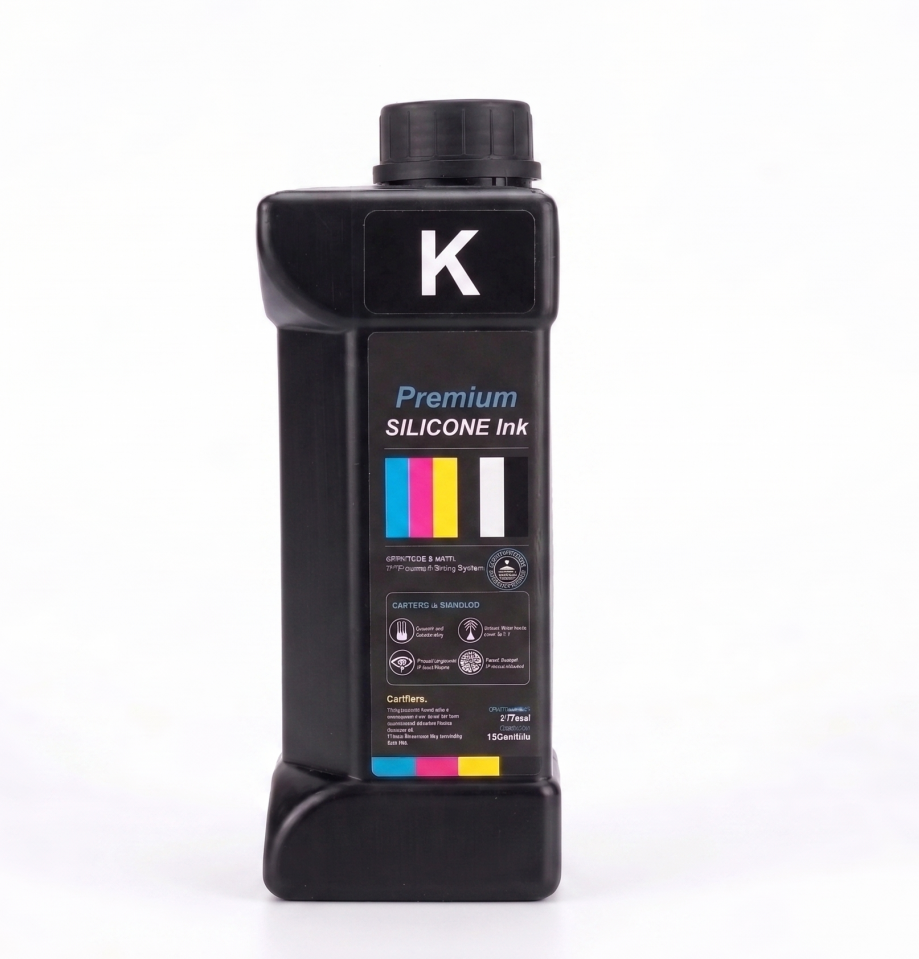
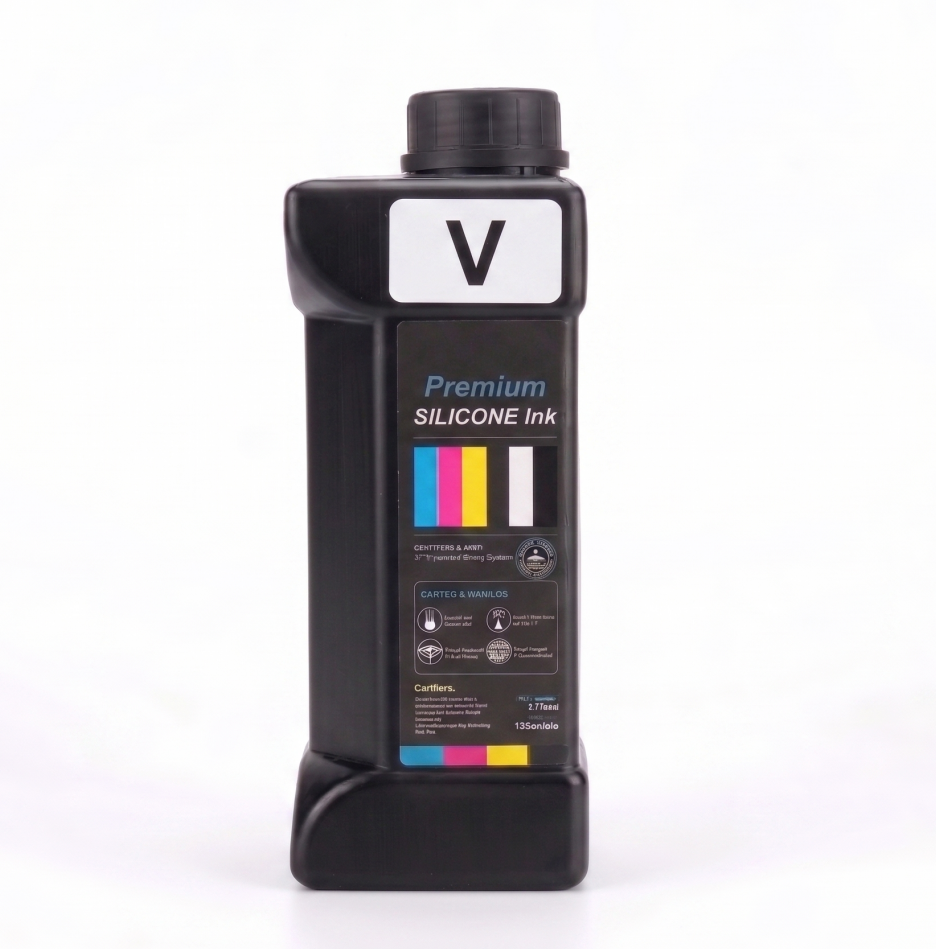
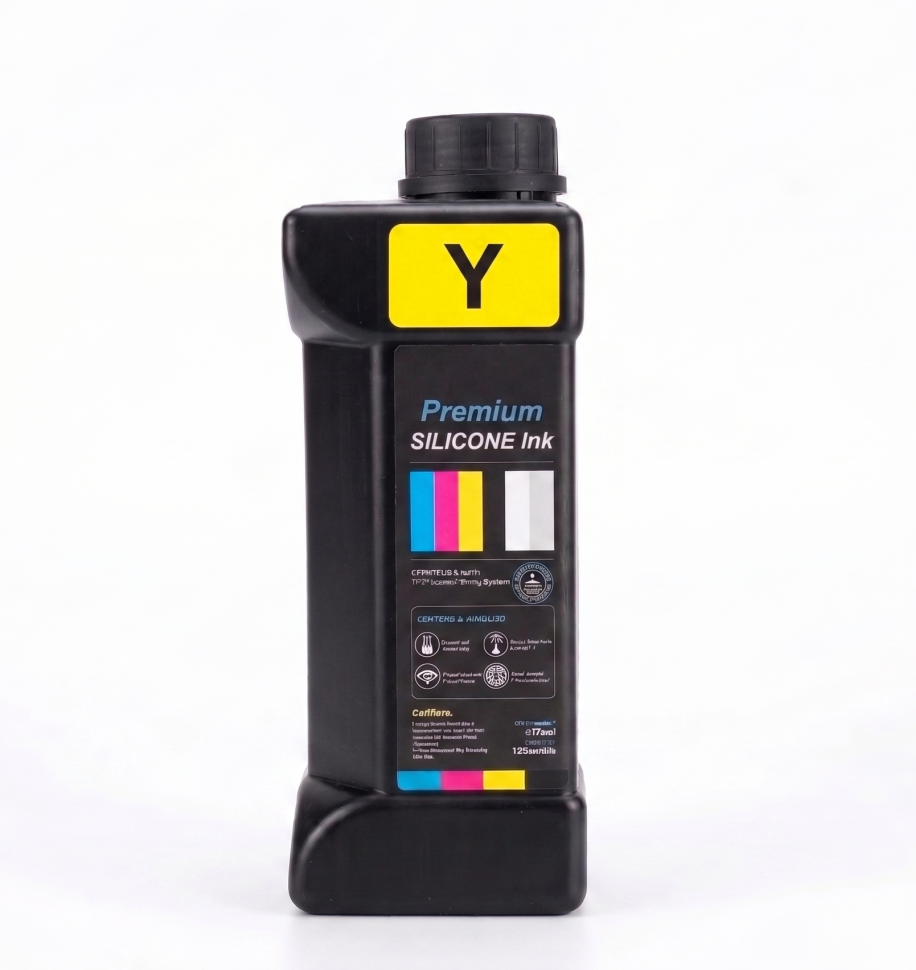


TPU UV DTF Ink | Flexible 3D Silicone Ink for UV DTF Printing
Standard (5-7 business days) or Rush (2-3 business days).
7 days money back guarentee, buyer pays return shipping
DESCRIPTION
Ink that stretches with the fabric — not against it.
Purpose-built soft UV ink for TPU film 3D transfers. Bends, stretches, and washes without cracking — where standard A+B film ink fails.
Cures to a rubbery, elastic film — flexes with jerseys, hoodies and activewear instead of fracturing on the surface.
TPU Ink vs. Standard A+B Film Ink
Same UV DTF workflow, different chemistry. Here's what actually changes when you switch from rigid A+B film ink to soft TPU ink.
| Dimension | TPU Film Ink (Soft) | A+B Film Ink (Hard / Neutral) |
|---|---|---|
| Oligomer base | Urethane acrylate, long-chain monomers | Rigid acrylate oligomers |
| Cured state | Rubbery, elastic film | Glass-like, dense film |
| Viscosity / cure speed | Lower viscosity, slower cure (relieves internal stress) | Higher viscosity, fast cure |
| Flex & stretch resistance | Bends / stretches without cracking | Cracks under flex |
| Scratch & chemical resistance | Moderate | High |
| Best substrates | TPU film, stretch fabrics, activewear | Glass, acrylic, metal, rigid transfers |
| Typical output | 3D embossed, puff-style graphics | Flat, high-gloss graphics |
| Can it be mixed with the other type? | No — mixing causes clogging, adhesion failure and uneven cure | |
Built for movement, not just for print
Everything in the formulation is tuned for one job: surviving on a fabric that stretches every day.
Crack-Resistant Flex
Rubbery cured film flexes with knit and stretch fabrics instead of fracturing at fold lines.
Fabric-Safe Adhesion
Bonds to TPU film without over-hardening the surface, so garments keep their natural drape.
True 3D Embossed Effect
Multi-pass layering builds a raised, puff-style finish that standard flat UV ink can't replicate.
Wash & Wear Durability
Elastic film resists cracking and lifting through repeated stretch, wash, and dry cycles.
Wide Printhead Compatibility
Formulated for common UV DTF setups, including Epson i3200 and XP600 printheads.
Fine Pigment Dispersion
Nano-dispersed pigment reduces nozzle clogging and keeps maintenance intervals longer.
Made for soft goods, not hard surfaces
If the final product bends, folds, or stretches in normal use, that's a TPU ink job.
Sportswear & Jerseys
Team numbers, logos and names that survive game-day stretching.
Hoodies & Streetwear
Raised 3D logo patches with a soft, flexible hand-feel.
3D Puff Stickers & Patches
Embossed decorative transfers for bags, caps and accessories.
Activewear & Swimwear
High-stretch fabrics that need ink to move with the garment.
What buyers ask before they switch
The questions that come up most from print shops evaluating TPU ink for the first time.
Is TPU ink the same as the ink I already use for A+B film? +
No. A+B film ink is formulated to cure hard for scratch and chemical resistance on rigid surfaces. TPU ink uses a different oligomer (urethane acrylate) so the cured film stays flexible. They are not interchangeable, and the two should not be mixed in the same ink line.
Will it crack or peel after washing? +
TPU ink is designed to flex with the fabric through normal wash and stretch cycles. Real-world durability still depends on curing time, transfer temperature/pressure, and fabric type — always run a wash test on your specific substrate before a full production run.
Does it work with my current UV DTF printer? +
TPU ink is commonly formulated for standard UV DTF setups, including Epson i3200 and XP600 printheads. Always confirm viscosity and RIP profile compatibility with your specific printer model before switching ink lines.
Can I mix TPU ink with my existing hard/neutral UV DTF ink? +
No. Mixing different ink chemistries can trigger reactions that clog nozzles, weaken adhesion, and cause uneven curing. Use separate, dedicated ink channels for TPU (soft) ink versus A+B film (hard/neutral) ink.
How do I get the raised 3D / puff effect? +
Height is controlled in your RIP software through the number of ink layers/passes — more passes build more raised texture. Start with the ink supplier's recommended layering profile and adjust from there.
What surfaces is TPU ink meant for? +
TPU ink is built for flexible substrates — TPU film transfers, stretch fabrics, leather, and similar soft materials. For rigid surfaces like glass, acrylic, or metal, standard A+B film (hard/neutral) ink is still the right choice.
What's the trade-off versus standard ink? +
Flexibility comes at some cost to scratch and chemical resistance compared to hard ink. For soft-goods applications the trade-off is worth it — cracking is the more common failure mode there, not scuffing.
Ready to test it on your fabric?
Request a sample bottle and a starter RIP layering profile — see the stretch and 3D effect on your own TPU film before you commit to a full order.
Technical characteristics described are general industry behavior for soft (TPU-compatible) vs. hard/neutral UV DTF ink formulations. Exact specifications, wash-cycle counts, and printhead compatibility vary by manufacturer — confirm against your ink supplier's technical data sheet (TDS) before production use.
REVIEWS
Ink that stretches with the fabric — not against it.
Purpose-built soft UV ink for TPU film 3D transfers. Bends, stretches, and washes without cracking — where standard A+B film ink fails.
Cures to a rubbery, elastic film — flexes with jerseys, hoodies and activewear instead of fracturing on the surface.
TPU Ink vs. Standard A+B Film Ink
Same UV DTF workflow, different chemistry. Here's what actually changes when you switch from rigid A+B film ink to soft TPU ink.
| Dimension | TPU Film Ink (Soft) | A+B Film Ink (Hard / Neutral) |
|---|---|---|
| Oligomer base | Urethane acrylate, long-chain monomers | Rigid acrylate oligomers |
| Cured state | Rubbery, elastic film | Glass-like, dense film |
| Viscosity / cure speed | Lower viscosity, slower cure (relieves internal stress) | Higher viscosity, fast cure |
| Flex & stretch resistance | Bends / stretches without cracking | Cracks under flex |
| Scratch & chemical resistance | Moderate | High |
| Best substrates | TPU film, stretch fabrics, activewear | Glass, acrylic, metal, rigid transfers |
| Typical output | 3D embossed, puff-style graphics | Flat, high-gloss graphics |
| Can it be mixed with the other type? | No — mixing causes clogging, adhesion failure and uneven cure | |
Built for movement, not just for print
Everything in the formulation is tuned for one job: surviving on a fabric that stretches every day.
Crack-Resistant Flex
Rubbery cured film flexes with knit and stretch fabrics instead of fracturing at fold lines.
Fabric-Safe Adhesion
Bonds to TPU film without over-hardening the surface, so garments keep their natural drape.
True 3D Embossed Effect
Multi-pass layering builds a raised, puff-style finish that standard flat UV ink can't replicate.
Wash & Wear Durability
Elastic film resists cracking and lifting through repeated stretch, wash, and dry cycles.
Wide Printhead Compatibility
Formulated for common UV DTF setups, including Epson i3200 and XP600 printheads.
Fine Pigment Dispersion
Nano-dispersed pigment reduces nozzle clogging and keeps maintenance intervals longer.
Made for soft goods, not hard surfaces
If the final product bends, folds, or stretches in normal use, that's a TPU ink job.
Sportswear & Jerseys
Team numbers, logos and names that survive game-day stretching.
Hoodies & Streetwear
Raised 3D logo patches with a soft, flexible hand-feel.
3D Puff Stickers & Patches
Embossed decorative transfers for bags, caps and accessories.
Activewear & Swimwear
High-stretch fabrics that need ink to move with the garment.
What buyers ask before they switch
The questions that come up most from print shops evaluating TPU ink for the first time.
Is TPU ink the same as the ink I already use for A+B film? +
No. A+B film ink is formulated to cure hard for scratch and chemical resistance on rigid surfaces. TPU ink uses a different oligomer (urethane acrylate) so the cured film stays flexible. They are not interchangeable, and the two should not be mixed in the same ink line.
Will it crack or peel after washing? +
TPU ink is designed to flex with the fabric through normal wash and stretch cycles. Real-world durability still depends on curing time, transfer temperature/pressure, and fabric type — always run a wash test on your specific substrate before a full production run.
Does it work with my current UV DTF printer? +
TPU ink is commonly formulated for standard UV DTF setups, including Epson i3200 and XP600 printheads. Always confirm viscosity and RIP profile compatibility with your specific printer model before switching ink lines.
Can I mix TPU ink with my existing hard/neutral UV DTF ink? +
No. Mixing different ink chemistries can trigger reactions that clog nozzles, weaken adhesion, and cause uneven curing. Use separate, dedicated ink channels for TPU (soft) ink versus A+B film (hard/neutral) ink.
How do I get the raised 3D / puff effect? +
Height is controlled in your RIP software through the number of ink layers/passes — more passes build more raised texture. Start with the ink supplier's recommended layering profile and adjust from there.
What surfaces is TPU ink meant for? +
TPU ink is built for flexible substrates — TPU film transfers, stretch fabrics, leather, and similar soft materials. For rigid surfaces like glass, acrylic, or metal, standard A+B film (hard/neutral) ink is still the right choice.
What's the trade-off versus standard ink? +
Flexibility comes at some cost to scratch and chemical resistance compared to hard ink. For soft-goods applications the trade-off is worth it — cracking is the more common failure mode there, not scuffing.
Ready to test it on your fabric?
Request a sample bottle and a starter RIP layering profile — see the stretch and 3D effect on your own TPU film before you commit to a full order.
Technical characteristics described are general industry behavior for soft (TPU-compatible) vs. hard/neutral UV DTF ink formulations. Exact specifications, wash-cycle counts, and printhead compatibility vary by manufacturer — confirm against your ink supplier's technical data sheet (TDS) before production use.
Frequently Asked Questions
Whether you're a beginner starting your first printing business or an established manufacturer upgrading your workflow, these answers will help you make informed decisions and operate your machine with confidence.