
How to Make 3D TPU Patches with a UV DTF Printer: The Complete Guide for U.S. Print Shops
Quick Answer: To make 3D TPU patches, print multiple passes of white UV ink onto a specialty TPU heat transfer film using a UV DTF printer — building a raised embossed layer — then add CMYK color and varnish before heat-pressing the patch onto fabric at 150–160 °C for 10–15 seconds. Read on for the full step-by-step process, equipment specs, and cost comparisons.
1. What Is a 3D TPU Heat Transfer Patch?
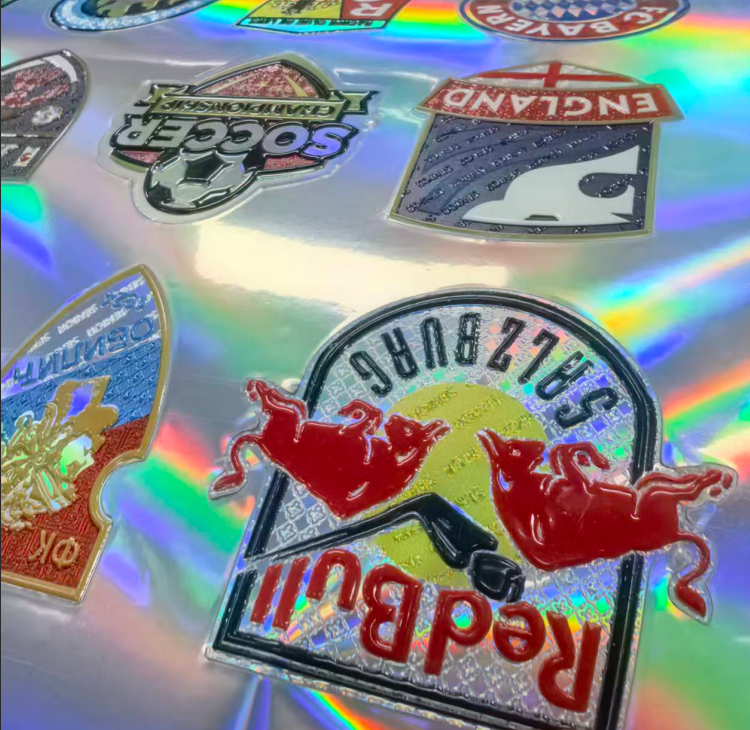
A 3D TPU patch — short for three-dimensional Thermoplastic Polyurethane patch — is a flexible, embossed logo or graphic printed onto a specialty TPU heat transfer film using a UV DTF printer, then bonded permanently to fabric with a heat press.
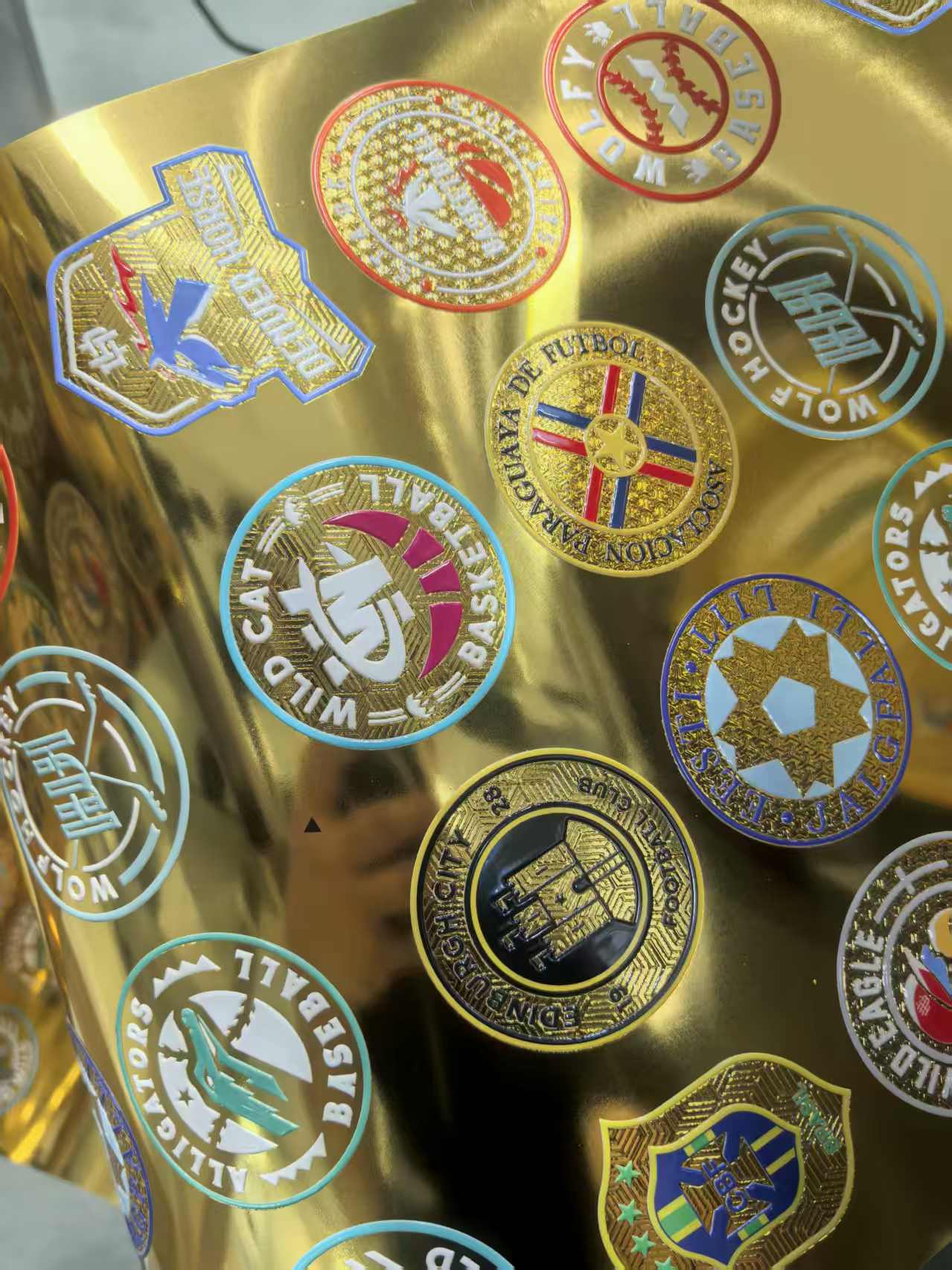
The hallmark "3D" raised texture is created not by molds or screen printing, but by stacking multiple passes of white UV-curable ink directly onto the TPU film surface. Each pass adds physical height to the designated area. Once the white ink base is built up, color (CMYK) layers and a protective varnish coat are applied on top, producing a patch that is simultaneously a precision-printed graphic and a sculpted, tactile object.
Key Properties of a Finished 3D TPU Patch
- Raised, tactile texture — depth ranges from subtle (4× white ink passes) to boldly embossed (10× passes)
- Soft and flexible — moves with the garment; no stiffness, no cracking under repeated flexion
- 50+ industrial wash cycles — UV-cured ink bonded to TPU film resists cracking, peeling, and fading
- Full CMYK color + gradients — photographic detail, exact Pantone matching, and metallic gold/silver foil options
- No molds, no MOQ — one patch or ten thousand, same efficient digital workflow
Common Applications for 3D TPU Heat Transfer Patches
| Application | Examples |
|---|---|
| Sports jerseys | Football, basketball, soccer, esports uniforms |
| Streetwear & fashion | Brand chest logos, sleeve patches, limited editions |
| Footwear | Tongue labels, heel badges, toe box branding |
| Corporate workwear | Safety vests, uniform jackets, polo shirts |
| Accessories | Hats, bags, backpacks, outerwear |
| Promotional products | Branded merchandise, trade show giveaways |
2. Why 3D TPU Patches Are Dominating Custom Sportswear
The rise of 3D TPU patches in sportswear is not a passing trend — it is a technology-driven shift driven by four converging factors.
Superior Visual and Tactile Impact
Unlike flat heat transfer prints or screen-printed graphics, a 3D TPU patch has depth you can see and feel. The glossy, raised surface catches light differently at every angle, conveying quality and intentionality. For sports teams and fashion brands, this tactile premium translates directly into perceived brand value.
Durability That Matches Athletic Demands
Sportswear endures sweat, friction, machine washing, and intense physical contact. TPU material has exceptional abrasion and stretch resistance — it bends and recovers with the fabric instead of fighting it. UV-cured inks bond chemically to the TPU surface rather than sitting on top, making color loss and delamination over 50+ wash cycles essentially non-existent under normal care conditions.
Design Freedom Without Factory Minimums
Traditional 3D logo methods — primarily liquid silicone — require mold fabrication, typically costing $500–$2,000 per design and demanding high minimum order quantities. UV DTF printing onto TPU film requires no molds whatsoever. Every design is fully digital, meaning you can offer:
- One-off custom patches for individual athletes
- Small-batch limited editions (5–50 units) for boutique streetwear
- Large production runs for established teams or brands — all on the same machine
Gold Foil and Specialty Finishes
With a UV DTF printer equipped with a foil attachment and gold varnish channel — like the SHL 24-inch model — you can combine raised 3D embossing with metallic gold or silver foil accents in a single print pass. This capability is virtually impossible to replicate with embroidery, standard DTF, or screen printing, and it opens a distinct premium product tier.
3. Equipment and Materials You Need
Consistent, production-quality 3D TPU patches require a specific combination of printer, film, and ink. Standard sign-making UV printers with rigid (hard) UV ink will crack when the finished TPU patch is flexed. Entry-level UV printers with XP600 heads cannot maintain the ink density and consistency required for reliable multi-pass white ink stacking. Getting the right equipment from day one saves costly trial-and-error.
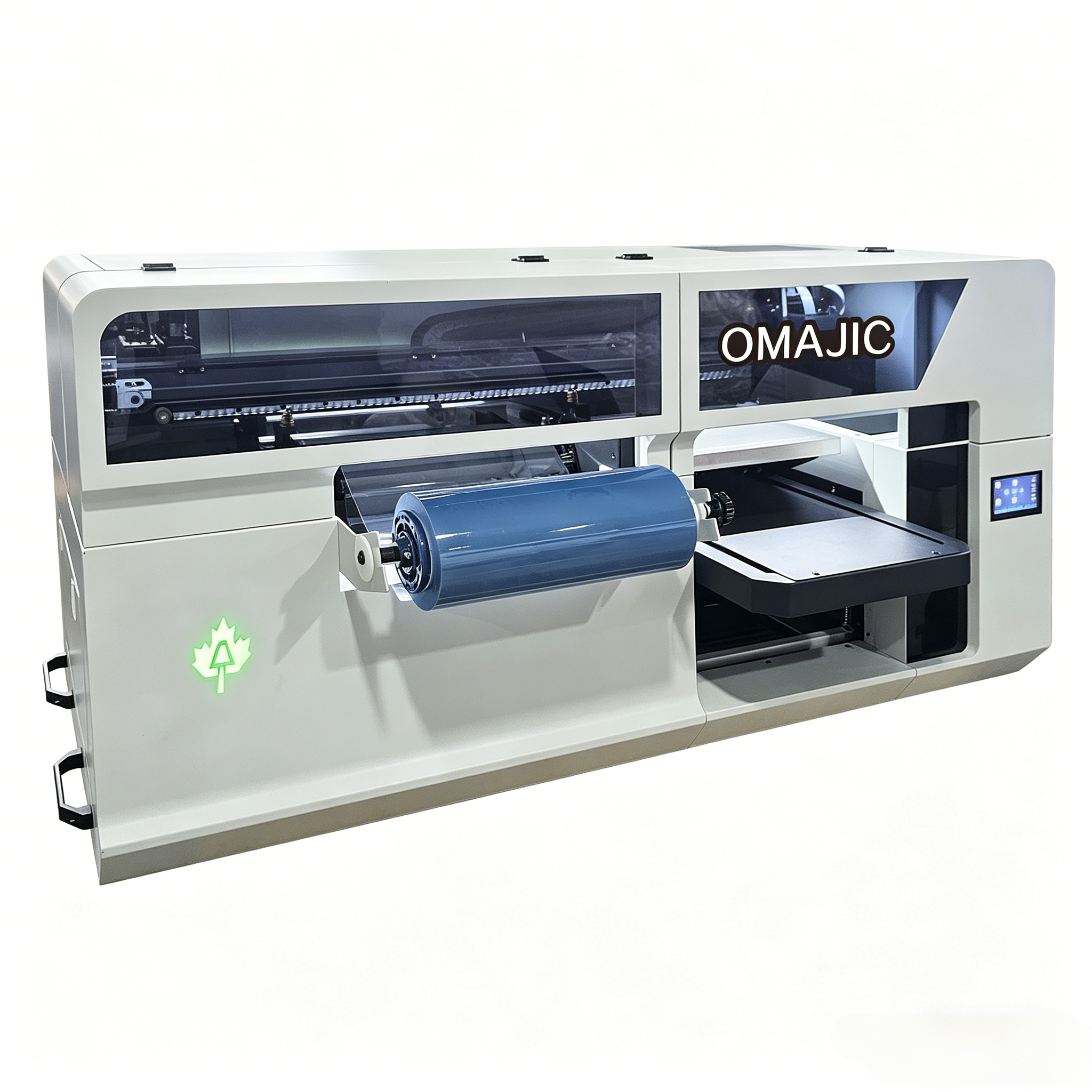
SHL 24-Inch UV DTF Printer with Foil Attachment
The SHL 24-Inch UV DTF Printer with Foil Attachment is a roll-to-roll industrial UV printing system purpose-engineered for high-build white ink applications including 3D TPU patch production.
Full Technical Specifications
| Specification | Detail |
|---|---|
| Printhead Model | 3× Epson i3200-U1 (industrial-grade UV) |
| Print Width | 24 inches (600 mm) |
| Print Colors | CMYK + White + Varnish + Gold Varnish (foil channel) |
| Print Speed | 4-pass: 9 m²/hr · 6-pass: 6 m²/hr |
| RIP Software | PhotoPrint (white ink layer control, ICC profiles) |
| Processor | Intel i7-8750H, 64 GB / 128 GB RAM, 15.6" touch display |
| Power | 3,500 W |
| Lamination | Integrated Film A + Film B inline lamination |
| Ink Alert | Auto anti-shortage monitoring system |
| Package Dimensions | 2,300 × 900 × 700 mm · 230 kg |
Why the Epson i3200-U1 Printhead Matters for 3D TPU
The printhead is the single most important component for 3D TPU patch quality. The Epson i3200-U1 is an industrial-grade UV printhead that delivers:
- Finer ink droplets — higher edge sharpness on complex logos
- 3× faster print speed than entry-level XP600-based printers
- Significantly longer operational lifespan — critical for production environments
- Consistent high-density white ink output across all passes — essential when stacking 4×, 6×, or 10× white ink layers to build 3D height
Cheaper XP600 heads frequently show banding and inconsistent ink density during high-build white ink runs, producing 3D patches with uneven embossing height and degraded adhesion.
The Gold Foil Attachment: A Premium Revenue Stream
The integrated foil attachment and dedicated gold varnish channel allow you to produce patches that combine raised 3D embossing with metallic gold or silver foil accents in a single automated workflow. Foil patches command 2–4× the price of standard 3D TPU patches and face virtually no competition from DTF shops or embroiderers.
SHL 3D TPU Heat Transfer Film
The SHL 3D TPU Heat Transfer Film is a purpose-engineered flexible material with a two-layer construction optimized for UV printing and fabric heat transfer — not standard PET DTF film.
Full Material Specifications
| Property | Specification |
|---|---|
| Structure | 300 µm TPU printing layer + 100 µm PVC release layer |
| Available Finishes | White · Silver · Gold · Glow-in-Dark · Holographic |
| Stretch Ratio | 5%–20% (conforms to fabric movement) |
| Wash Resistance | Level 3 — anti-cracking, anti-fading, 50+ wash cycles |
| Heat Transfer Temperature | 140–160 °C (300–320 °F) |
| Heat Transfer Duration | 10–15 seconds, firm pressure |
| Ink Compatibility | Soft UV ink (UV-LED curable) |
| Compatible Equipment | All UV DTF printers with soft UV ink |
Why 300 µm TPU Film Is Different from Standard HTV or PET DTF Film
Standard heat transfer vinyl (HTV) and PET-based DTF film are thin, rigid, and designed to sit flat on fabric. The 300 µm TPU layer in SHL's film is significantly thicker — creating the physical height the UV ink needs to build a raised structure on — and fully flexible, stretching 5–20% with the fabric rather than cracking under movement.
Specialty Finishes for Premium Products
Beyond standard white, SHL stocks Gold, Silver, Glow-in-Dark, and Holographic TPU film variants. Holographic TPU patches — where the base film itself creates a shifting iridescent background beneath the UV-printed design — are a particularly high-demand product in streetwear and limited-edition sports merchandise.
4. Step-by-Step: How to Print 3D TPU Patches with a UV DTF Printer
Step 1: Create Your Artwork File
Use professional design software — Adobe Illustrator, CorelDRAW, or Photoshop — to prepare your design. Optimize for UV TPU output:
- Minimum 300 DPI for raster elements; vector artwork preferred for logos
- Create a separate white ink layer for any areas you want embossed
- Map which areas receive which white ink multiplier (4×, 6×, or 10×) based on desired embossing depth
- Plan your varnish layer — gloss varnish for high-shine, matte varnish for textured finish
- For foil effects, design a separate spot color layer that the foil attachment will target
Step 2: Configure White Ink Layering in PhotoPrint RIP
This step is what creates the 3D effect. In PhotoPrint RIP software:
- Import your design and assign the SHL TPU Film media profile
- Assign white ink pass count to your emboss layer: 4× (subtle), 6× (medium), 10× (pronounced)
- Set color and varnish layers to print as a single pass on top of the white build
- Select the foil varnish channel if applicable
- Configure ink limits appropriate for soft UV ink on TPU to avoid over-saturation
Step 3: Load the TPU Film and Run a Nozzle Check
- Load the SHL TPU Film roll printing surface (TPU side) up
- Set media tension to the manufacturer-specified range — loose tension causes layer misregistration
- Run a full nozzle check and clean any blocked channels before production
- Print a test patch at reduced size to verify embossing height and color accuracy
Step 4: Print the Patches
- Run at 6-pass or higher for TPU patch production — slower passes allow full UV-LED cure between white ink layers
- Monitor the first patches off the roll for consistent height and color
- The integrated laminator automatically applies Film B over the printed Film A as the roll advances
Step 5: Cut the Patches
- Use a vinyl cutter with contour cutting for geometric shapes
- Use a laser cutter for complex irregular shapes — mascots, crests, organic forms
- Cut through the TPU layer only; leave the PVC release liner intact for handling
Step 6: Apply the Patch with a Heat Press
- Temperature: 150–160 °C (300–320 °F)
- Time: 10–15 seconds
- Pressure: Firm (medium-high)
- Tip: For structured items like fitted hats, a dual-heated press is strongly recommended
Peel the PVC carrier liner while the patch is still warm for best edge adhesion.
Step 7: Quality Inspection
Inspect each finished patch for:
- Even embossing height across the raised area — no flat spots
- Clean edge adhesion — no lifting, bubbling, or carrier residue
- Color accuracy — compare against design proof; check varnish coverage
- Flex test — gently bend the fabric at the patch; a properly applied patch flexes without cracking
5. 3D TPU Patches vs. Silicone, DTF, and Embroidery: Full Comparison
| Feature | 3D TPU Patch (UV DTF) | Liquid Silicone Logo | DTF Transfer | Embroidery |
|---|---|---|---|---|
| 3D / Raised Texture | ✅ Yes | ✅ Yes | ❌ Flat only | ❌ Flat only |
| Full CMYK + Gradients | ✅ Yes | ❌ Limited colors | ✅ Yes | ❌ Limited, no gradients |
| Gold / Foil Effects | ✅ Yes (foil attachment) | ❌ No | ❌ No | ❌ No |
| Mold Required | ❌ No | ✅ Yes ($500–$2,000+) | ❌ No | ❌ No |
| Minimum Order Quantity | ✅ 1 unit | ❌ High MOQ | ✅ 1 unit | ⚠️ Medium |
| Wash Durability | ✅ 50+ cycles | ✅ Excellent | ⚠️ Average | ✅ Good |
| Soft / Flexible Feel | ✅ Excellent | ⚠️ Rubbery | ⚠️ Film-like | ❌ Rigid |
| Production Speed | ✅ Fast (digital) | ❌ Slow (molding) | ⚠️ Moderate | ❌ Slow |
| Design Change Cost | ✅ Zero (fully digital) | ❌ New mold required | ✅ Zero | ✅ Zero |
3D TPU vs. Silicone Logos
Silicone logos match 3D TPU patches on texture and durability, but require a physical mold for every design — costing hundreds to thousands of dollars and weeks of lead time. A 3D TPU patch workflow eliminates mold costs entirely, enabling same-day design changes, one-unit minimums, and gradient colors that silicone simply cannot achieve.
3D TPU vs. DTF Transfers
DTF transfers offer comparable color range but produce flat results with no embossed texture. In athletic and fashion contexts, the absence of tactile dimension positions DTF as a budget option. TPU patches consistently command higher retail prices due to their perceived premium — and they outlast DTF significantly in high-frequency wash environments.
3D TPU vs. Embroidery
Embroidery carries strong brand associations with heritage and craftsmanship but is limited to thread colors, struggles with gradient designs, and can feel rough or heavy on lightweight athletic jerseys. 3D TPU patches deliver a cleaner, more modern aesthetic with greater design complexity at faster production speeds.
6. Who Is 3D TPU Patch Printing Right For?
Sports Jersey Decorators
From local youth leagues to semi-professional teams, 3D TPU patches let jersey decorators deliver professional-grade team logos — raised, glossy, and durable — without the factory minimums that silicone suppliers demand. Offer full CMYK team color matching, player number customization, and school mascot patches all from a single machine.
Streetwear and Independent Fashion Brands
The raised, high-gloss patch has become a defining aesthetic element of contemporary streetwear. UV DTF printing on TPU film lets indie brands produce limited-run branded patches with the same premium finish as labels with multimillion-dollar production budgets — at quantities of 10, 50, or 500 units.
Sneaker and Footwear Customizers
TPU film bonds exceptionally to the materials used in athletic and lifestyle footwear — synthetic leather, mesh, rubber. Tongue labels, heel badges, and toe box graphics printed on SHL TPU film create durable, flexible brand marks that survive the full wear cycle of performance footwear.
Corporate Uniform and Workwear Suppliers
Company logos on safety vests, workwear jackets, and polo shirts need to survive industrial washing cycles that would destroy standard heat transfers. 3D TPU patches withstand the conditions — abrasive wash chemistry, high temperatures, commercial dryer cycles — where flat DTF consistently fails.
Print Shops Adding a High-Margin Premium Service
If you currently operate a DTF transfer business, adding a UV DTF printer and TPU film workflow is a direct margin expansion move. The same logo size that generates $3–5 in DTF transfers can command $10–20 as a 3D TPU patch — because the customer receives a demonstrably superior product. It is one of the highest-margin per-unit services in apparel decoration available today.
7. Why Buy Your UV DTF Printer and TPU Film from SHL Supply?
Multiple overseas vendors sell UV DTF printers and TPU film. Here is why sourcing from SHL Supply in Los Angeles produces materially better business outcomes for U.S. print shops.
🏫 On-Site Training at Our Santa Fe Springs, CA Facility
SHL Supply offers in-person, hands-on training at our Santa Fe Springs facility for all UV printer purchasers — an advantage almost no other supplier provides. During training you will cover:
- Full machine setup and calibration for TPU film media profiles
- White ink layering configuration in PhotoPrint RIP for 3D embossing
- Heat press parameters by fabric type (jersey, nylon, cotton blends, structured hats)
- Contour cutting setup for your cutter or laser
- Routine daily and weekly maintenance to protect your i3200 printheads
You leave the session with a working production workflow — not a manual to read later.
🚚 Fast Local Shipping — Inventory Stocked in Los Angeles
SHL's 3D TPU Heat Transfer Film, UV inks, and accessories are stocked locally in Los Angeles. That means:
- Same-day or next-day shipping on consumables for urgent production runs
- No 3–6 week ocean freight delays from overseas suppliers
- No customs clearance uncertainty, import duties, or surprise landed costs
- Film rolls in standard 24-inch width match the SHL printer out of the box
🛠️ Responsive U.S.-Based After-Sales Support
UV DTF printers are sophisticated machines, and technical issues will eventually arise. SHL's after-sales support team is US-based and responsive — not a 12-hour time-zone gap away from an overseas factory floor. Support covers:
- Print quality troubleshooting — banding, white ink clogging, color shifts, registration errors
- RIP software configuration specific to TPU film and 3D white ink layering
- Replacement parts sourcing and expedited fulfillment
- Priority support queue for all machine purchasers
🤝 Wholesale Pricing — One Price for Everyone
SHL's founding principle is transparent, flat wholesale pricing. Whether you order one roll of TPU film or a full printer package, you receive the same pricing a large-volume account receives. No tiered structures, no negotiating, no hidden fees.
8. Frequently Asked Questions
Can my existing UV printer make 3D TPU patches?
Only if it supports soft/flexible UV ink and multi-pass white ink layering (4× minimum for any perceptible embossing). Standard sign-making UV printers loaded with hard UV ink will produce patches that crack the moment the TPU is flexed. The SHL 24-inch UV DTF Printer is configured and tested specifically for soft UV ink on TPU film.
What is the minimum order quantity for 3D TPU patches?
There is none. UV DTF printing on TPU film has no molds and no setup fees, so you can produce one custom patch or five hundred using the same digital file and the same machine settings.
How many washes can a 3D TPU patch withstand?
SHL's TPU film is rated Level 3 wash resistance — tested to 50+ cycles with no cracking, peeling, or significant fading when applied at correct parameters. For maximum longevity, recommend to end-customers: wash inside out, cold or warm cycle, avoid high-heat drying.
Can I add gold or silver foil to my 3D TPU patches?
Yes — the SHL 24-inch UV DTF Printer includes a foil attachment and dedicated gold varnish channel. You can combine raised 3D embossing with metallic foil accents in a single automated print run.
What fabrics can 3D TPU patches be applied to?
Polyester, nylon, spandex blends, and poly-cotton mixes bond strongest — the dominant materials in athletic jerseys, outerwear, and activewear. Pure cotton is compatible; use a Teflon sheet during pressing and extend dwell time by 3–5 seconds.
Does SHL Supply offer training for the UV DTF printer?
Yes. In-person, hands-on training is available at our Santa Fe Springs, CA facility for all UV printer purchasers. Training covers machine setup, RIP software white ink layering, heat press parameters by fabric type, and preventive maintenance.
How quickly does SHL ship TPU film and UV ink supplies?
SHL stocks 3D TPU heat transfer film, UV inks, and accessories in Los Angeles. Same-day and next-day shipping is available on consumables — no 3–6 week overseas freight delays.
9. Get Started with 3D TPU Patch Production Today
Adding 3D TPU patch printing to your business is one of the highest-ROI moves available in the current custom apparel market. The barrier to entry has never been lower, and the margin premium over flat DTF has never been clearer.
Everything you need is available at SHL Supply:
-
24-Inch UV DTF Printer with Foil Attachment →
3× Epson i3200-U1 heads · CMYK+W+V+Gold Foil · Integrated lamination · PhotoPrint RIP -
3D TPU Heat Transfer Film →
300 µm TPU · 5–20% stretch · 50+ wash cycles · White, Silver, Gold, Glow, Holographic
Ready to visit us or ask a technical question?
SHL LA Supply — 12155 Mora Dr, Santa Fe Springs, CA 90670
In-stock inventory · Same/next-day shipping · In-person training · U.S.-based after-sales support
Whether you are a jersey decorator upgrading from flat DTF, an independent streetwear brand bringing patch production in-house, or a print shop diversifying into higher-margin services — SHL Supply has the equipment, the materials, and the hands-on support to get you producing professional 3D TPU patches from day one.

Leave a comment
This site is protected by hCaptcha and the hCaptcha Privacy Policy and Terms of Service apply.