
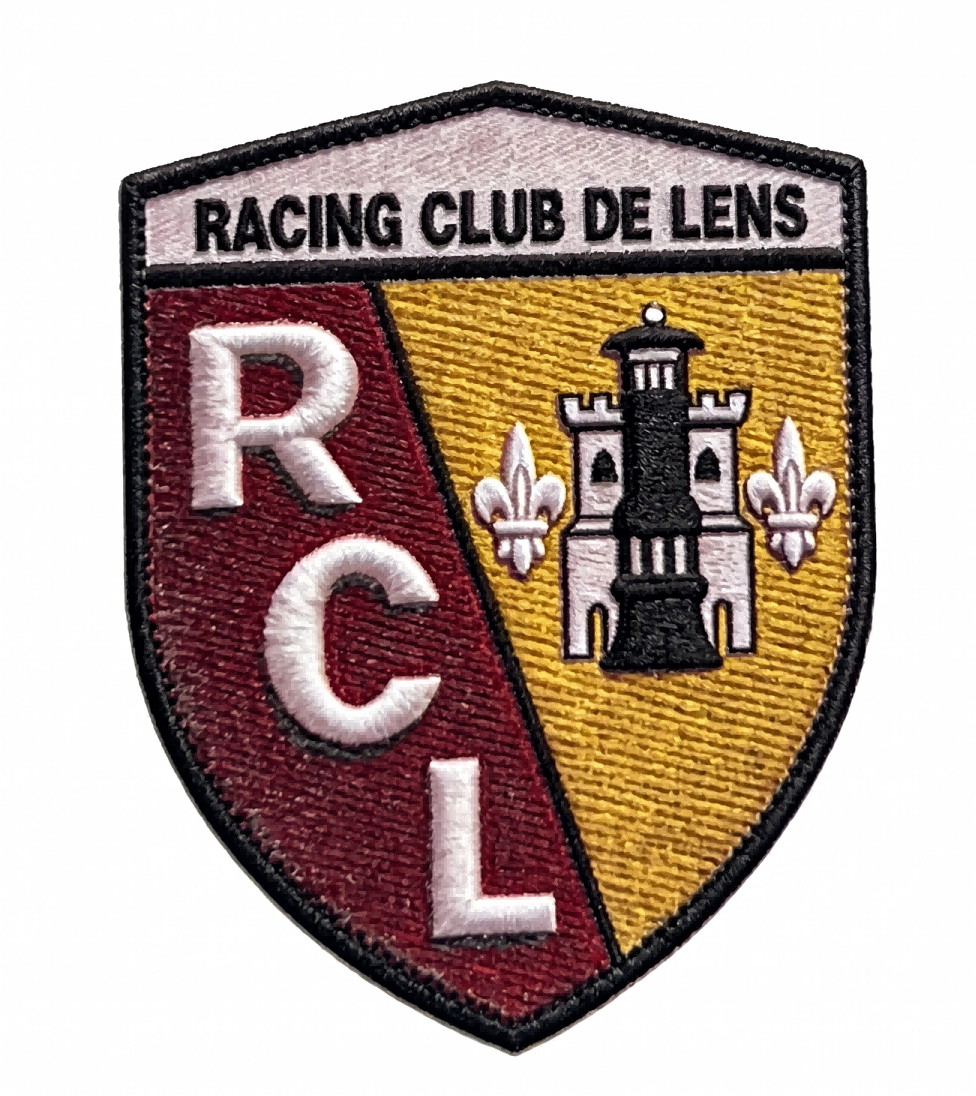
If you've scrolled past a hoodie logo, a team jersey number, or a hat patch lately and thought "that looks embroidered, but something's off"—there's a good chance you were looking at TPU embroidery, not a single stitch of actual thread.
TPU embroidery is a UV DTF (UV Direct-to-Film) printing process that uses TPU (thermoplastic polyurethane) transfer film to build raised, textured patches and logos that visually and physically mimic traditional embroidery—without a needle, thread, or embroidery machine involved. Instead of stitching thread into fabric, a UV printer deposits and cures layers of ink onto TPU film, then the finished design is heat-pressed onto the garment like any other transfer.
For apparel brands, print shops, and team suppliers, this matters because it collapses weeks of embroidery digitizing and stitching time into a same-day print-and-press process—while still delivering that raised, dimensional look customers associate with "premium." It's one of the fastest-growing categories in the custom apparel and UV DTF printing space right now, precisely because it lets small shops offer an embroidered aesthetic without owning (or outsourcing to) a commercial embroidery machine. This guide breaks down what TPU embroidery actually is, why it's called "embroidery" at all, and where it's already showing up in the market.
What Is TPU Embroidery, Exactly?
At its core, TPU embroidery (also called imitation embroidery or 3D embroidery effect transfer) is a no-sew decoration method. A UV DTF printer prints a design—often starting with multiple layers of white ink to build height—onto a specialized TPU film. UV lamps cure each layer almost instantly, locking the ink in place and letting the next layer stack directly on top. The result is a solid, three-dimensional patch with color and texture printed right into its surface, ready to be heat-applied to a garment.
No bobbins. No digitizing software. No thread breaks halfway through a production run. Just a printed film that behaves like embroidery once it's pressed onto fabric.
What Is TPU Material?
TPU stands for thermoplastic polyurethane, a flexible, elastomeric plastic that sits somewhere between rubber and hard plastic. It's the same family of material used in phone cases, athletic shoe soles, and stretchable protective films—prized for three properties that happen to matter a lot for apparel decoration:
- Softness — TPU film is pliable enough to flex with fabric instead of cracking or sitting stiffly on top of it.
- Elasticity — it stretches and recovers, so a patch on a sleeve or waistband can move with the wearer.
- Abrasion resistance — TPU holds up to friction, folding, and repeated wear far better than a rigid plastic coating would.
Because TPU film also has real physical thickness, printing on it doesn't just simulate a raised look with clever shading—it actually creates a patch you can see and feel standing above the fabric surface.
Compare that to a standard flat DTF (direct-to-film) transfer, which is printed on a thin PET film and lies smooth against the garment once pressed. Standard DTF is excellent for full-color, photorealistic graphics, but it doesn't have the height or texture to read as "embroidered." TPU film is a different material built for a different job: thickness, bounce, and durability first, with the printed design riding on top of that structure.
Why Is It Called "Embroidery"?
Traditional embroidery gets its texture from stitched thread sitting above the fabric, which is what gives logos and patches that classic raised, tactile quality. TPU embroidery earns the name because it reproduces that same visual and tactile signature—raised edges, a dimensional surface, a texture you can run your finger over—just through printing and film thickness instead of needlework.
That's also why you'll see it marketed under a few different names depending on the supplier: imitation embroidery, 3D embroidery effect, UV DTF TPU patches, or simply embroidery-look transfers. They're all pointing at the same underlying technique.
It's worth being upfront about one thing: TPU embroidery is designed to look and feel like embroidery, not to be a hidden substitute passed off as the real thing. Most brands are transparent that it's a modern, printed alternative—the appeal is the raised aesthetic and durability, not deception. Customers who run their fingers over a TPU patch will feel a similar dimensional texture to stitched thread, even though the construction underneath is completely different.
How Does TPU Embroidery Create That 3D Texture?
The "how" is worth understanding at a high level, even though the full step-by-step production process is a topic on its own (we'll cover the exact workflow in a later guide — [INTERNAL LINK to production/how-to-make article]). Two things combine to produce the raised, embroidered look: how the ink is printed, and what it's printed on.
White Ink Layering + UV Curing
Most TPU embroidery starts with white ink, printed in multiple passes—commonly 4x, 6x, or even 10x layers depending on how much height the design needs—directly over the shape of the logo or pattern. Each pass is cured by UV light in seconds, which is what makes this different from solvent or water-based printing: the ink doesn't need to air-dry or slowly cure, it hardens almost the instant it's printed. That means each layer keeps its shape and stacks cleanly on the one below it, rather than spreading or sinking in.
Once the white base has built up the desired thickness, color layers are printed on top to bring the design to life, followed by a final UV cure pass. The result is a physically raised "wall" of cured ink sitting on the film—not a flat printed image with a shadow trick to fake depth.
The TPU Film's Own Thickness and Stretch
The second half of the effect comes from the film itself. Because TPU is a real material with body and give, the printed patch isn't just ink sitting on a thin plastic sheet—it's ink fused to a film that already has structure, thickness, and flexibility. When the finished patch is heat-pressed onto a garment, that combination of cured ink layers plus TPU's own stretch is what produces the embroidery-like hand-feel: firm enough to hold its shape, flexible enough to move with the fabric instead of cracking off it.
Together, ink stacking and film thickness are the whole trick behind why TPU embroidery patches look raised in photos and feel raised in person.
Common Products Made with TPU Embroidery
Because the process works on film that's later heat-pressed onto almost any fabric, TPU embroidery shows up across a wide range of product types. A few of the most common:
- Garment labels and neck tags — a raised, branded label at the collar or hem without sewing in a woven tag
- Logo patches for brand decoration — chest, sleeve, or pocket logos that read as embroidered from across a room
- Patchwork-style appliqués ("patches") — bold graphic patches applied to jackets, caps, and bags, often as a standalone design element
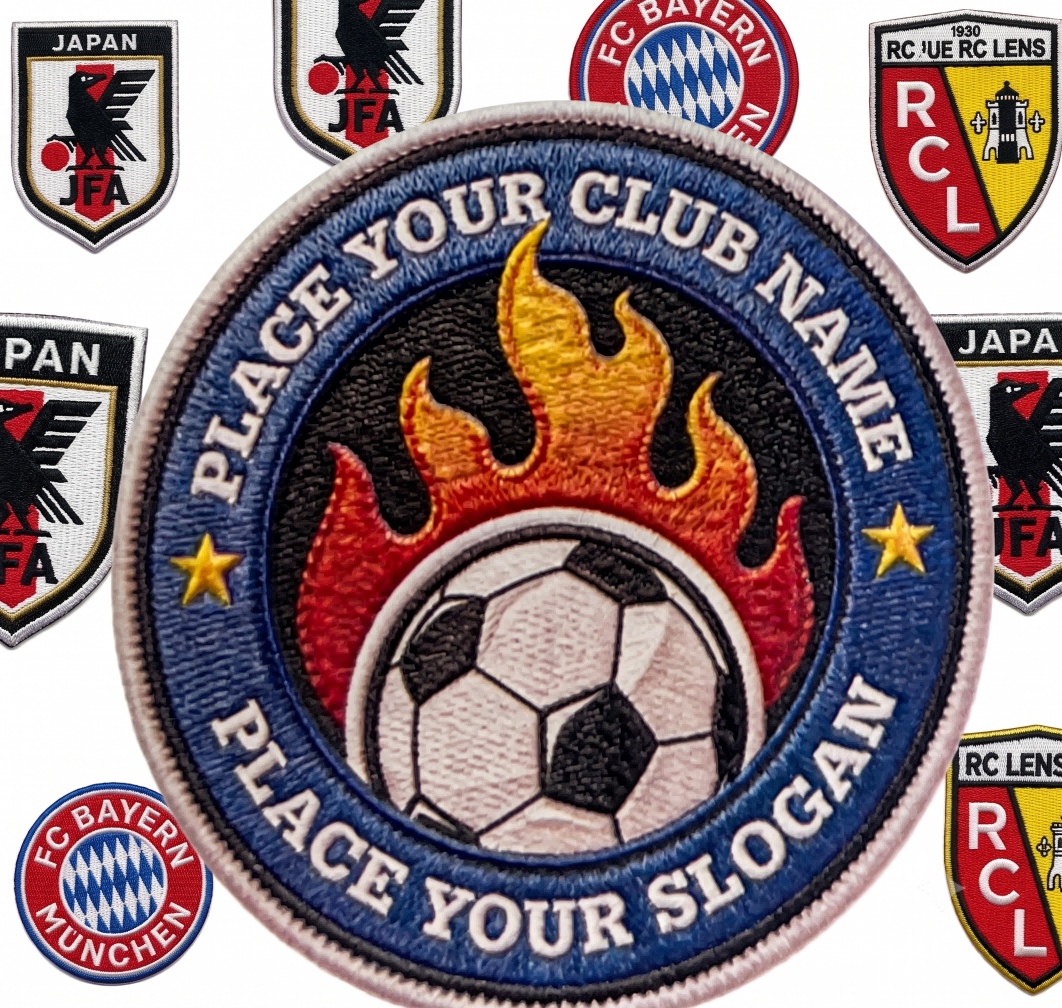
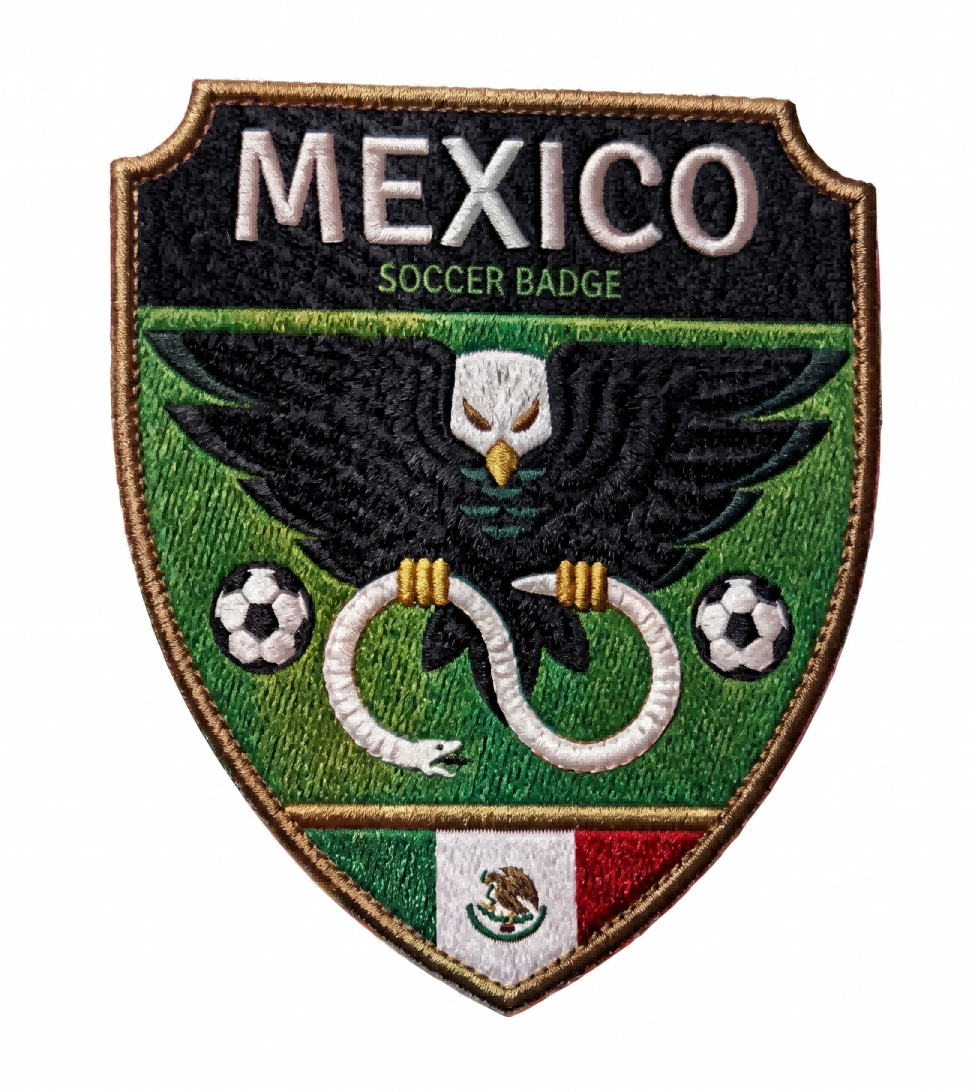
- Team jersey numbers and crests — numbers, letters, and crests that need to flex and stretch with athletic fabric
- Cap and hat badges — front-panel logos on structured and unstructured caps, a category where traditional embroidery has historically dominated
Each of these has its own best practices around sizing, placement, and pressing, which is worth its own deeper dive ([INTERNAL LINK to products/applications article]) — for now, the key takeaway is that TPU embroidery isn't limited to one product category. If it can be heat-pressed, it can likely carry a TPU embroidery design.
Who Uses TPU Embroidery?
TPU embroidery has found a home anywhere a brand wants an embroidered look without embroidery's cost, minimums, or lead time. That includes:
- Sports and team apparel — jersey numbers, crests, and sponsor logos that need to survive stretching, sweat, and repeated washing
- Streetwear and fashion brands — bold, dimensional logo patches used as a signature design element
- Corporate and workwear uniforms — company logos applied consistently across small or large order batches
- Pet products — collars, harnesses, and bandanas where a raised logo adds a premium feel at small scale
- Bags and accessories — patches and badges applied to backpacks, totes, and travel gear
- Footwear — logo badges and brand marks on sneakers and boots
The common thread across all of these use cases is speed and flexibility: TPU embroidery lets a brand get an embroidered look on a short run, a sample, or a fast-turn order without waiting on a traditional embroidery queue.
What It Takes to Produce TPU Embroidery In-House
For print shops evaluating whether to bring this in-house rather than outsourcing it, the equipment list is shorter than most people expect: a UV DTF (or UV flatbed) printer capable of multi-pass white ink layering, TPU transfer film, UV DTF inks, and a heat press. Some setups also use a TPU hot-melt adhesive powder to improve bond strength between the cured ink layer and certain fabrics before pressing ([INTERNAL LINK to TPU DTF powder / UV DTF printer product or collection page]). It's a meaningfully smaller equipment and training investment than a commercial embroidery machine, which is a big part of why the technique has spread so quickly among DTF and UV printing shops that already have some of this equipment on hand.
The Bottom Line
TPU embroidery is a UV DTF printing technique that builds raised, textured, embroidery-look patches and logos on TPU film—no needle or thread required—by stacking UV-cured ink layers on a flexible, durable material and heat-pressing the result onto fabric.
Now that you know what it is, the obvious next question is: how does it actually stack up against real needle-and-thread embroidery? Cost, durability, turnaround time, and where each one still wins
Is TPU embroidery the same as real embroidery?
No. Real embroidery is created by stitching thread into fabric with an embroidery machine, while TPU embroidery is a printed and heat-pressed transfer made on TPU film. It's designed to visually and texturally imitate embroidery's raised look, but there's no thread and no stitching involved.
Is TPU embroidery washable?
Yes. When printed and pressed correctly, TPU embroidery patches are designed to hold up to regular washing, typically maintaining their color, texture, and adhesion through dozens of home wash cycles. As with any heat-applied transfer, following the recommended pressing temperature, time, and care instructions has a big impact on long-term durability.
What machine do you need to make TPU embroidery?
You need a UV DTF (or UV flatbed) printer capable of layering white and color ink with UV curing, TPU transfer film, and a heat press to apply the finished patch to the garment. No embroidery machine or digitizing software is required.
How long does TPU embroidery last?
With proper printing and pressing, TPU embroidery patches are built to resist cracking, peeling, and fading through regular wear and repeated washing, making them a durable option for both short production runs and everyday apparel use. Actual lifespan depends on factors like ink quality, film quality, and how closely the recommended heat-press settings were followed.

Leave a comment
This site is protected by hCaptcha and the hCaptcha Privacy Policy and Terms of Service apply.