
The Evolution of Apparel Branding: TPU Film Printing Labels & Patches vs. Traditional Embroidered Patches
In the highly competitive fashion and sportswear industries, branding is everything. The garment labels and patches you choose do not just display your logo—they convey your brand’s quality, identity, and commitment to innovation.
For decades, traditional embroidered patches have been the go-to choice for adding a premium, tactile element to apparel. However, as textile technology advances and consumer demands shift toward performance and sustainability, a new heavyweight champion has emerged: TPU (Thermoplastic Polyurethane) Film Printing Labels and Patches.
At SHL LA SUPPLY, we specialize in cutting-edge apparel trim manufacturing. In this comprehensive guide, we will explore why TPU film printing is revolutionizing the apparel industry and how it outperforms traditional embroidery in modern garment manufacturing.
What is TPU Film Printing in Apparel?
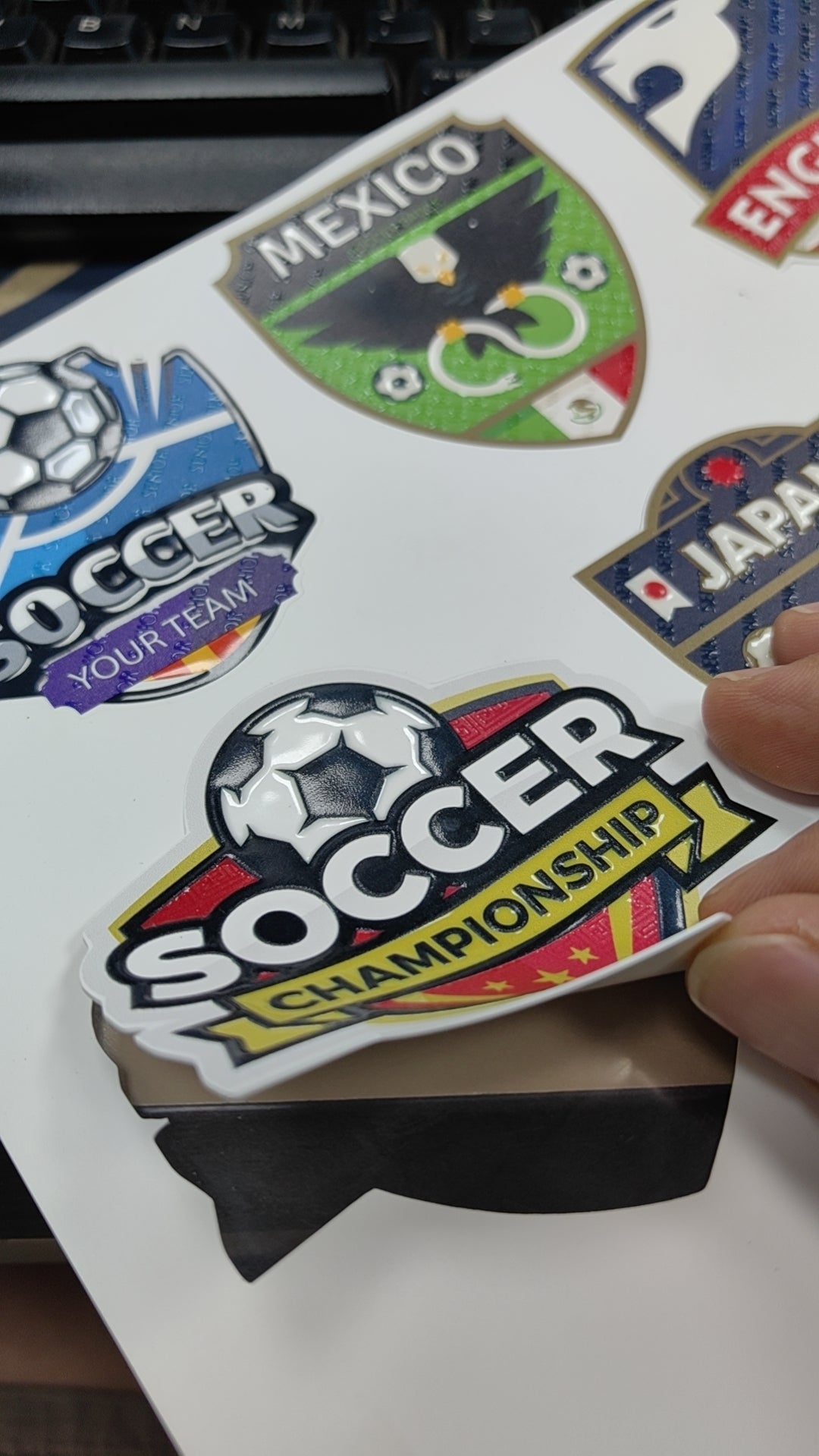
TPU is an eco-friendly material that bridges the gap between rubber and plastic. It is highly flexible, extremely durable, and completely recyclable. When used for apparel labels and patches, high-definition printing (screen, digital, or 3D high-frequency embossing) is applied directly onto a thin TPU film.
The result is a sleek, modern, and highly functional branding element that can be easily applied to garments via heat transfer (iron-on) or sewing.

TPU Film Printing Patches vs. Embroidered Patches: The Ultimate Comparison
To help clothing brands make the right choice, let’s dive into a detailed comparison of these two techniques across five critical dimensions:
1. Detail Precision and Color Gradients
-
Traditional Embroidery: Embroidery relies on physical threads. Because threads have a set thickness and must be stitched into a fabric base, they are naturally limited. Intricate lines, complex gradient colors, and micro-text (such as wash care instructions under 2mm) often blur or become unreadable.
-
TPU Printing: TPU manufacturing utilizes high-precision digital and silk-screen printing. This allows for 100% accurate reproduction of photorealistic details, razor-sharp lines, and flawless color gradients. If you can design it on a computer, TPU can print it without compromise.
2. Weight, Elasticity, and Consumer Comfort
-
Traditional Embroidery: Embroidered patches are thick, heavy, and stiff due to the dense layering of threads and backing fabric. When applied to modern lightweight or high-stretch performance wear (like yoga pants or running shirts), they distort the fabric's natural drape and can cause skin irritation or friction during movement.
-
TPU Printing: TPU film is celebrated for its incredible tensile strength and elasticity. It is ultra-thin and lightweight. When applied to activewear, it stretches and recovers perfectly with the fabric without cracking, peeling, or altering the garment's performance. It offers a truly "weightless" feel for the wearer.
3. Modern Aesthetics and Visual Special Effects
-
Traditional Embroidery: Offers a classic, vintage, and handcrafted aesthetic. While timeless, it lacks versatility in modern styling.
-
TPU Printing: TPU opens up a whole new world of futuristic, high-tech, and luxury textures. It can be customized with various finishes, including:
-
Matte or Ultra-Glossy coatings
-
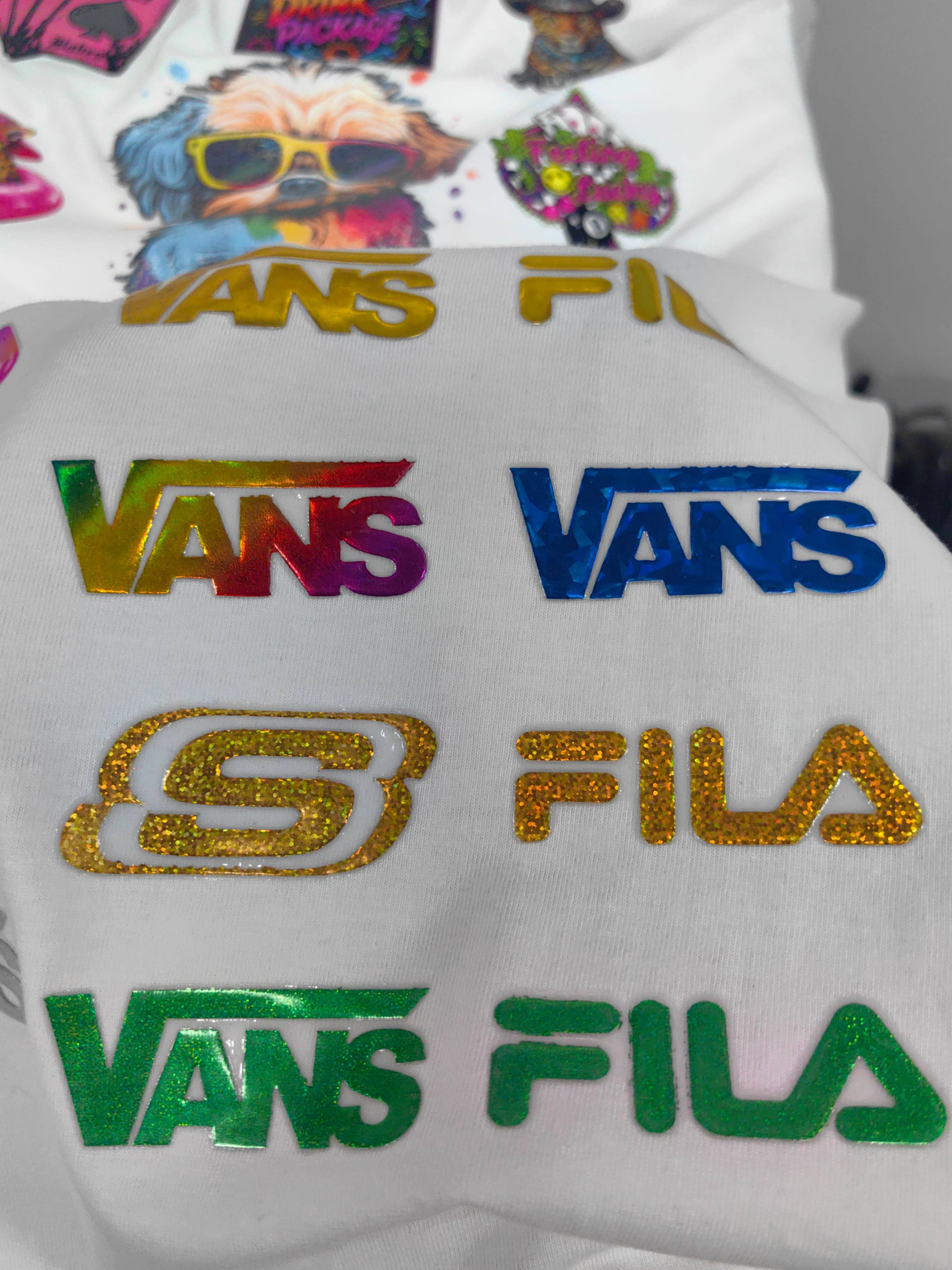
Metallic and Chrome effects for a luxury look
-
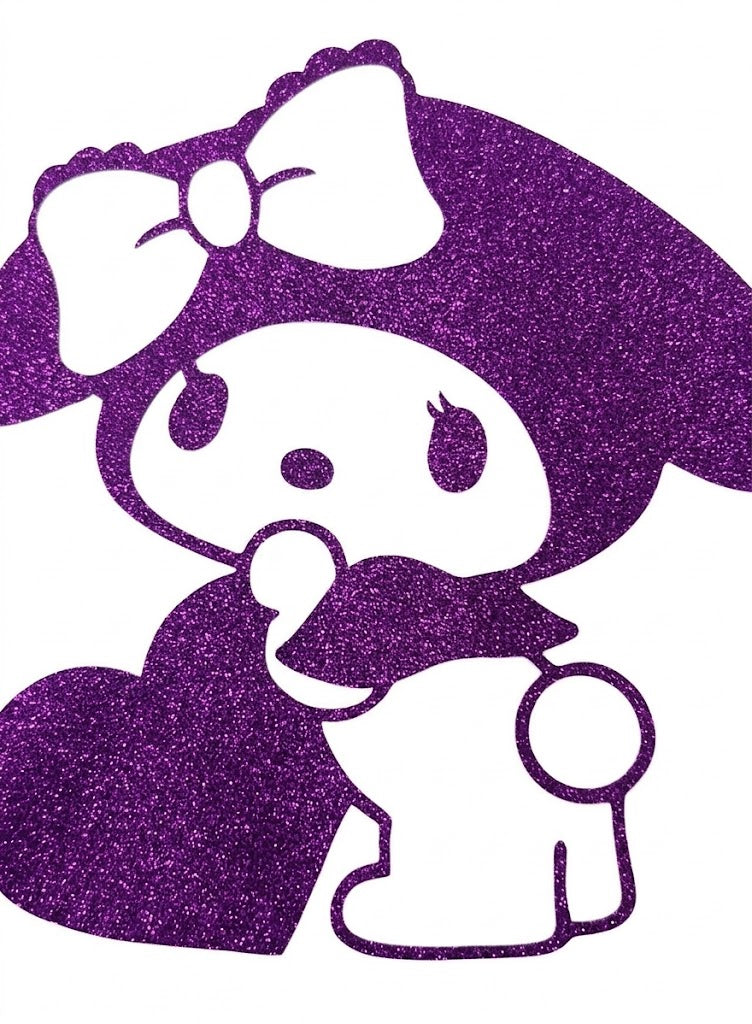
Holographic and Iridescent shifts that change color in the light
-
3D High-Frequency Embossing for sharp, clean, sculpted dimensions that look much sharper than embroidered textures.

-
4. Production Efficiency and Brand Consistency
-
Traditional Embroidery: The production time and cost of embroidered patches scale with the stitch count—the more complex the design, the more expensive and time-consuming it is to make. Furthermore, variance in machine tension can lead to minor inconsistencies between batches.
-
TPU Printing: TPU production is fully digital and automated. Design complexity does not affect production speed or cost. Whether you print a single solid color or a highly intricate 3D geometric pattern, the processing time remains the same. This ensures absolute batch-to-batch consistency for large-scale global rollouts.
5. Weatherproof Performance and Sustainability
-
Traditional Embroidery: Embroidered edges can fray over time, and threads can catch and pull. Additionally, thread-based patches absorb water and sweat, making them heavy, slow to dry, and prone to trapping odors or bacteria.
-
TPU Printing: TPU is 100% waterproof, oil-resistant, and weatherproof. Because the patches are laser-cut or die-cut, the edges will never fray or unravel. They withstand harsh industrial laundering and UV exposure without fading or yellowing. Best of all, TPU is a non-toxic, biodegradable, and eco-friendly material, helping brands hit their sustainability targets.

Technical Feature Summary: TPU vs. Embroidery
| Feature / Dimension | Traditional Embroidered Patches | TPU Film Printing Labels & Patches |
| Visual Style | Classic, vintage, textured thread look | Modern, high-tech, sleek, or 3D embossed |
| Detailing & Text | Limited; cannot handle fine micro-text | Perfect; reproduces photo-grade details |
| Flexibility & Stretch | Rigid, stiff, non-stretchable | High elasticity; stretches with performance fabric |
| Weight & Thickness | Heavy and bulky | Ultra-thin, lightweight, and low-profile |
| Durability & Washing | Edge fraying over time; absorbs moisture | 100% waterproof; highly durable; non-fraying |
| Eco-Friendliness | Standard textile impact | Sustainable, non-toxic, and biodegradable |
Which One is Right for Your Clothing Brand?
While traditional embroidery remains irreplaceable for vintage denim, classic varsity jackets, and retro streetwear, TPU film printing is the definitive future for modern apparel.
If your brand designs any of the following, TPU is your best choice:
-
Activewear & Sportswear: Yoga pants, compression wear, and running shirts.
-
Outdoor & Techwear: Waterproof jackets, windbreakers, and tactical backpacks.
-
Premium Fast Fashion: Clothing lines requiring intricate, multi-colored logos and high-end trims.
Upgrade Your Apparel Branding with SHL
At SHL LA SUPPLY, we help global apparel brands elevate their product presentation through premium trim solutions. Our state-of-the-art TPU film printing and 3D embossing technologies ensure your brand logos are vibrant, indestructible, and perfectly suited to the most demanding textile substrates.
Whether you are looking to replace heavy embroidery with lightweight TPU heat transfer labels or want to develop custom 3D TPU patches for your next outerwear collection, our expert team is here to help.
Contact SHL today to request a free sample pack and see the TPU difference for yourself!

Leave a comment
This site is protected by hCaptcha and the hCaptcha Privacy Policy and Terms of Service apply.