
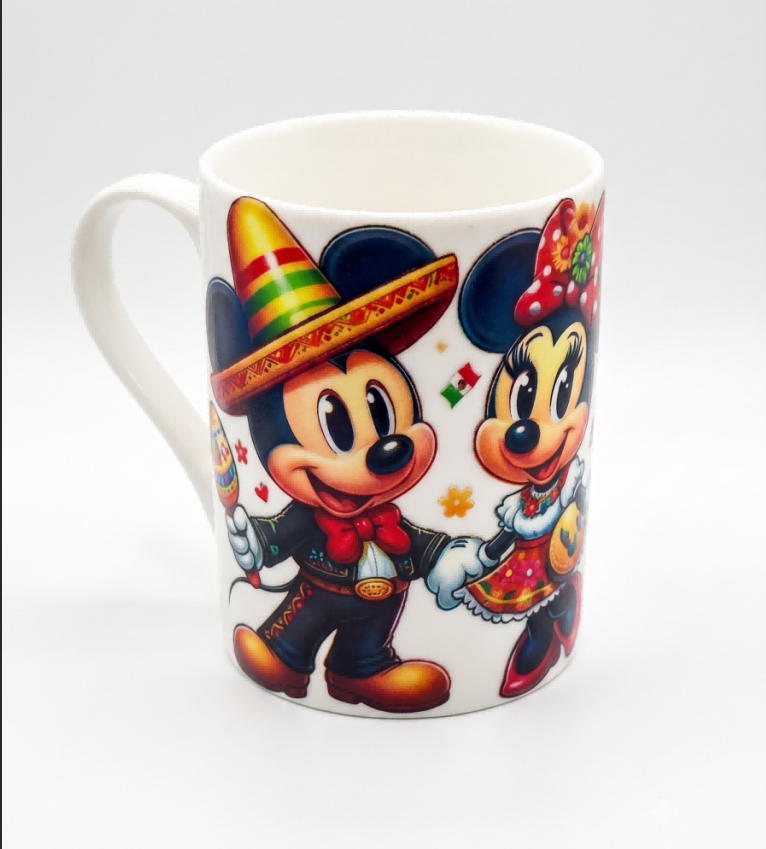
Before you assume a bad batch of film or a defective roll, run one quick check: what is the transfer actually being applied to? UV DTF bonds beautifully to stainless steel, glass, and ceramic almost every time — and unreliably, or not at all, to a specific handful of plastics no matter how carefully you apply it. If your team is troubleshooting a peeling or non-adhering transfer, the substrate itself is the first thing to rule out, not the film.
The Surface Energy Problem: Why Some Plastics Reject Any Adhesive
Every material has a physical property called surface energy, measured in dynes per centimeter (dyne/cm). It describes how strongly a liquid or adhesive can "wet out" and grip a surface at the molecular level. As a general rule of thumb used across the adhesive and printing industry, a surface needs a dyne level roughly 8–10 points higher than the adhesive's own surface tension to form a reliable bond — below that, the adhesive beads up and sits on the surface instead of gripping it, the same way water beads on a waxed car hood instead of soaking in.
This is where polypropylene (PP), polyethylene (PE), and silicone become a problem. These materials are chemically inert and non-porous by design — that's exactly why they're used for containers, tumbler linings, and flexible product parts in the first place — and it's also exactly why adhesives struggle to bond to them:
- Polypropylene (PP): roughly 29–31 dyne/cm untreated
- Polyethylene (PE): roughly 30–33 dyne/cm untreated
- Silicone rubber: roughly 20–24 dyne/cm untreated — among the lowest surface energies of any common substrate
Compare that to stainless steel (40–50 dyne/cm) or glass (60–72 dyne/cm), and it's clear why the exact same UV DTF transfer, applied with the exact same technique, can hold for years on one tumbler and lift within hours on another. It's rarely the applicator's technique or the film — it's the material underneath.
Substrate Adhesion Rating Table
Use this as a quick reference before quoting or running a new substrate through production.
| Substrate | Adhesion Rating | Primer / Treatment Needed? | Common Pitfalls |
|---|---|---|---|
| Stainless Steel | Excellent | No | Residual oils from manufacturing — clean before applying |
| Glass | Excellent | No | Glazed or coated glass can behave differently than raw glass — test first |
| Ceramic | Good to Excellent | Usually no | Glossy glazes can lower effective grip — test on the actual glaze, not raw ceramic |
| Powder-Coated Aluminum | Fair to Good | Sometimes | Adhesion varies significantly by powder coat chemistry and cure — always test each new coating batch |
| PET Plastic | Good | Usually no | Higher surface energy than PP/PE, but still test new PET blends |
| Polypropylene (PP) | Poor | Yes, in most cases | Adhesive beads up rather than gripping; treatment or primer usually required |
| Polyethylene (PE) | Poor | Yes, in most cases | Same low-adhesion behavior as PP; common in squeeze bottles and some tumbler liners |
| Silicone | Very Poor | Yes, and results can still be limited | Among the hardest substrates to bond to; flexing of the material also stresses the bond over time |
How to Test Adhesion Before a Full Production Run
Never learn that a substrate doesn't work by shipping 500 units and getting the return calls. Test first, on the exact material, coating batch, and finish you're about to run in production.
Method 1: The Cross-Hatch Tape Test
This is the industry-standard method (formalized as ASTM D3359) for rating how well anything is bonded to a surface, and it works just as well as a quick shop-floor check for UV DTF.
- After the transfer has fully cured and set (see the 24-hour note below), use a sharp blade to cut a small lattice pattern — a grid of light scratches — through the transfer and down to the substrate in an inconspicuous test area.
- Brush away any debris from the cuts.
- Press a piece of pressure-sensitive tape firmly over the cut area, rubbing it down so full contact is made.
- Pull the tape back quickly, at as close to a 0-degree angle as possible (pulling the tape back over itself rather than straight up).
- Inspect the lattice: if none of the transfer lifted with the tape, you have a strong bond. If squares of the design came away cleanly with the tape, that substrate needs a primer or surface treatment before you commit to a production run.
Method 2: The 72-Hour Stress Test
Adhesive failure on tricky substrates is often delayed, not immediate — a transfer can look perfectly bonded on day one and start lifting at the edges days later as the bond is exposed to handling, temperature swings, or flexing (this is especially true on silicone, which moves with the substrate). Before committing to a full run on a new substrate:
- Apply a test transfer exactly as you would in production.
- Let it sit for a full 24 hours before handling it at all — this gives the adhesive layer time to fully cure rather than judging a bond that hasn't finished setting.
- Over the next 72 hours, subject it to the conditions the finished product will actually see: temperature cycling (a hot car interior test for tumblers and drinkware is a good proxy), normal handling, and if relevant, a gentle wash test.
- Check the edges and corners specifically — that's where a marginal bond fails first.
When You Need a Primer — And When You Don't
Primers and surface treatments (flame treatment, corona treatment, and plasma treatment are the three most common in industrial settings) work by temporarily raising a low-energy plastic's surface energy or by chemically promoting a better bond, giving the adhesive something to actually grip. They're standard practice for bonding to PP, PE, and similar polyolefins across the adhesive industry generally, not something specific to UV DTF.
A few practical guidelines:
- Stainless steel, glass, and ceramic almost never need a primer — the adhesion rating table above already reflects reliable bonding on properly cleaned surfaces.
- PP, PE, and silicone should be treated as "primer likely required" by default rather than something you only reach for after a failure. Run the tape test on a treated sample and an untreated sample side by side to confirm the treatment is actually needed and working for your specific material.
- Powder-coated aluminum is the substrate most likely to surprise you — some coatings bond beautifully with no prep at all, others need a primer, and the difference usually comes down to the specific powder chemistry and cure schedule your coater uses. Treat every new powder-coat supplier or color as its own test case.
- Surface treatments have a limited window. Flame, corona, and plasma treatments raise surface energy temporarily — plan to apply the transfer promptly after treating rather than treating a batch of blanks and letting them sit for an extended period before decorating.
Why This Comes Back to Film Quality, Too
Surface energy explains why a substrate is hard to bond to in the first place — but once you've confirmed the substrate is workable (with a primer if needed), the adhesive layer in your transfer film still has to do its job well. A thin, low-tack, or inconsistent adhesive coating on the B film will underperform on marginal substrates exactly where you need it to perform best, while a properly formulated adhesive layer gives you more margin for error on borderline materials like PET or lightly glazed ceramics.
Our UV DTF AB Film Roll is built with this in mind — the B film's adhesive layer is formulated for consistent, strong bonding across the hard-surface substrates that make up most UV DTF production work (stainless steel, glass, ceramic, and properly treated PP/PE), so the film isn't the variable you have to troubleshoot once you've confirmed the substrate itself is sound. Available in 12" and 24" widths, 328 ft per roll, sold as A film, B film, or the combined A+B set.
Frequently Asked Questions
Can I use UV DTF on silicone tumbler sleeves or silicone-coated cups?
Silicone is one of the most difficult substrates to bond to reliably — its surface energy is lower than PP or PE, and it flexes, which stresses the bond over time even when initial adhesion looks fine. A primer helps, but results are still less consistent than on rigid, higher-energy substrates like stainless steel or glass. Always run the tape test and the 72-hour stress test on your specific silicone material before quoting a full order.
I already sprayed a primer and it's still not sticking — what's going on?
A few things to check: make sure the primer is actually rated for the specific plastic you're using (not all primers work on all polyolefins), confirm it was applied to a clean, dry surface with no mold-release residue underneath it, and check that you gave it the manufacturer's recommended flash-off time before applying the transfer. If all of that checks out and adhesion is still failing the tape test, the substrate itself (or that specific batch of it) may simply be a poor candidate for UV DTF.
Do powder-coated tumblers need special treatment before applying UV DTF?
Not always — this is exactly why powder-coated aluminum sits in the "fair to good, sometimes needs treatment" category rather than a flat yes or no. Adhesion depends heavily on the specific powder coating chemistry and cure process your supplier uses. Run the cross-hatch tape test on every new powder-coat color or supplier before committing to a production run — don't assume the last batch's results apply to a new one. For more on prepping tumblers specifically (including the surface cleaning step most shops skip), see our guide on How to Print on Tumblers with UV DTF Film.
Order Direct From a US-Based Supplier — Fast Shipping, Real Support
Diagnosing a substrate problem shouldn't mean losing days waiting on replacement film to confirm it wasn't the material. SHL Supply ships every order within 48 hours from our own warehouse — no customs delays, no overseas lead times.
SHL Supply 12155 Mora Dr, Santa Fe Springs, CA 90670 Phone: 562-203-5165 | Email: info@shl-supply.com Hours: Monday–Friday, 9:00 AM – 5:00 PM (local pickup available)
Because we stock and ship domestically, US shops get UV DTF film fast, backed by a straightforward money-back guarantee, free returns on defective product, and support from a team that can help you talk through a substrate problem instead of just selling you more film.
Confirmed your substrate is workable? Browse the UV DTF AB Film Roll and the rest of our UV Printing Materials collection — in stock and ready to ship. And if tumblers specifically are giving you trouble, our guide on How to Print on Tumblers with UV DTF Film covers surface prep, application pressure, and bubble-free application in more depth.


Leave a comment
This site is protected by hCaptcha and the hCaptcha Privacy Policy and Terms of Service apply.