
In U.S. shops and home studios, keeping things organized is key to quality prints. Proper storage ensures sharp transfers, strong bonds, and vibrant colors. It guards against humidity, heat, dust, light, and chemical fumes.
When you don't store DTF film right, small problems quickly become big ones. Film might curl, pick up lint, or lose its feel. This can cause dull prints, poor ink absorption, and even ink bleeding, forcing you to reprint.
Moisture-proof DTF powder is just as important. It's a hot melt adhesive made from thermoplastic polymers and additives. When it gets wet, it can clump, spread unevenly, or bond weakly. This is why finding solutions for dtf powder clumping is essential.
This guide will show you what works in real production. It covers climate-controlled printing, airtight storage, desiccants, film handling, container choices, and smart inventory rotation. It also talks about how SHL DTF/Screen Material helps maintain consistent results, even when storage conditions are tough.

Key Takeaways
- DTF Transfer Film Storage is a quality control step, not a “nice to have.”
- Humidity can cause curl, dust sticking, coating wear, and ink bleeding.
- Moisture-proof DTF Powder helps prevent weak adhesion and uneven coverage.
- DTF powder clumping solutions start with dry storage and clean handling.
- climate-controlled printing reduces reprints by keeping conditions stable.
- Good dtf transfer film storage protects clarity, printability, and transfer strength.
Why humidity control matters for DTF printing quality
Humidity is the moisture in the air. It changes with the season and weather. In DTF printing, this moisture affects materials and their performance.
Keeping humidity levels steady is key. It helps dtf direct film coatings work well every time. This ensures professional dtf supplies perform consistently.

How moisture impacts hot melt adhesive powder performance
When hot melt adhesive powder gets wet, it clumps and spreads unevenly. This uneven layer melts differently, weakening the bond. It also causes a rough texture.
This unevenness often leads to adhesion problems in busy shops. These issues are hard to fix.
Moisture also affects how the powder flows and releases from the film. This results in more waste and unpredictable transfers. Even with the same settings, results can vary.
Common defects tied to humidity, including preventing DTF ink bleeding
High humidity makes it harder to prevent dtf ink bleeding. On damp days, ink may appear hazy or spread unevenly. Shops then look for solutions after the fact.
Controlling humidity early helps maintain sharp prints. It prevents these issues.
Humidity also attracts static and dust, which can harm dtf direct film. Dust and wear can lead to poor ink absorption and surface defects. This can also cause head clogs over time.
How moisture shortens shelf life and can contribute to mold risk
Moisture exposure can shorten the life of hot melt adhesive powder. It changes how particles behave and increases contamination risk. In damp storage, mold and bacteria can grow on packaging or surfaces.
Regular checks and dry storage are essential. They keep professional dtf supplies clean and consistent on press.
- Watch for early signs: new clumps, sour odors, or powder that feels “heavy” and doesn’t fluidize well.
- Protect open materials: reseal promptly to limit moisture pickup between runs.
Ideal temperature and humidity ranges for climate-controlled printing
Clean transfers start long before you press a shirt. Climate-controlled printing protects coatings, pigments, and adhesive from damage. This damage can show up later as dull color or weak bonding. Good dtf production maintenance means treating the room like part of the process, not an afterthought.

Recommended storage temperature range for stable performance
Keep DTF powder at a steady 60°F–75°F (15°C–24°C). This range limits heat-driven softening and avoids condensation. It also supports predictable melt behavior during curing.
For dtf transfer film storage, aim for 59°F–77°F (15°C–25°C). Store film away from radiators, sunlight, and hot presses. Excess heat can change the coating and make sheets feel brittle or tacky. If you use anti-static dtf film, stable temperatures also help it keep that low-dust handling advantage.
Recommended humidity range to reduce moisture absorption and static
Target 35%–60% RH for film. High humidity can push moisture into the coating, leading to ink blotting and poor powder hold. Very low humidity can raise static, which pulls lint onto the surface and makes feeding less consistent.
The same band helps powder, too. As RH climbs, powder absorbs moisture and can clump. This hurts even coverage and adhesion. Many professional screen solutions use this humidity window to reduce rework without changing inks or profiles.
Monitoring with hygrometers and maintaining consistency with dehumidifiers
Use a thermometer and a hygrometer where supplies sit, not only near the press. Track swings across the day, because fast changes can be as disruptive as bad settings. This simple habit supports dtf production maintenance and keeps results repeatable across shifts.
- Dehumidifier for damp shops to prevent moisture pickup in powder and film
- Humidifier in very dry seasons to cut static and dust attraction
- Closed cabinets or bins to stabilize dtf transfer film storage conditions between uses
DTF Transfer Film Storage, Moisture-proof DTF Powder, Clumping Solutions
Moisture can sneak into DTF supplies quickly, even in dry environments. Keeping a tight routine is key to protect transfer film and maintain powder quality. This is important, as opening and closing containers all day can let moisture in.
Airtight storage and air-tight storage workflow for both film and powder
For film, store sheets and rolls in sealed anti-static bags or protective boxes. Always re-seal after use. This helps keep air tight and prevents moisture, dust, and light from getting in.
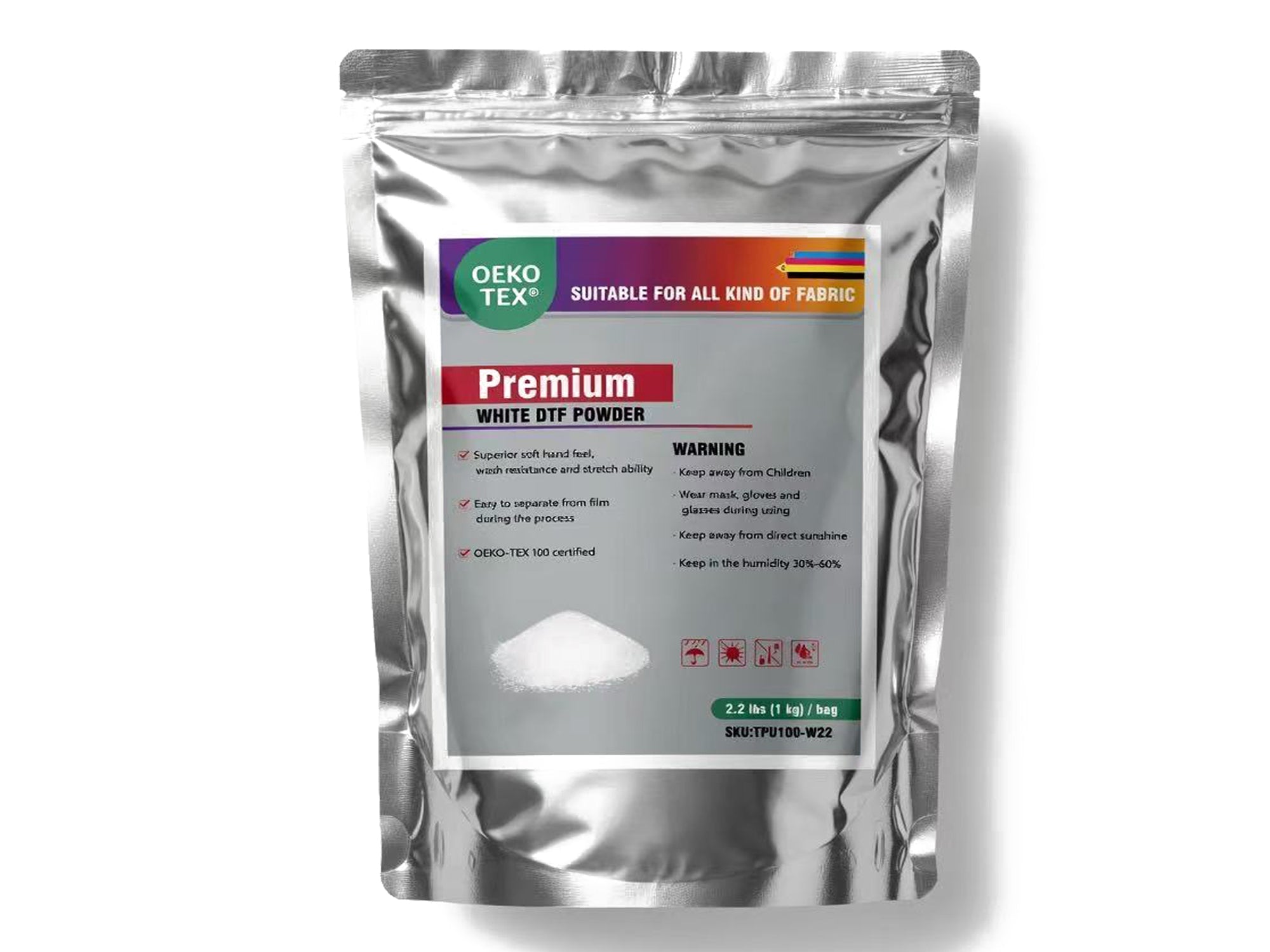
For hot melt adhesive powder, use containers with tight seals, not loose lids. Glass jars with rubber gaskets or heavy-duty plastic tubs with locks are best. They keep out debris and moisture.
If you have a dtf combo package, split materials into smaller, sealed containers. This way, the main stock stays closed longer, reducing exposure each time you refill.
Desiccants that help: silica gel and other moisture-control options
Desiccants work best in closed spaces like totes, cabinets, or sealed bins. Silica gel packets are popular, but some shops also use activated charcoal or clay for odor and humidity control.
Check packet indicators for color changes, which mean they're saturated. Replace or reactivate as directed. Make sure desiccants don't spill into film or powder.
DTF powder clumping solutions: what clumping means for adhesion and even application
Clumps in DTF powder mean it's absorbed moisture and stuck together. This causes uneven coverage, weak melt, and patchy bonding during curing, even with correct settings.
- Isolate the container to stop clumps from spreading.
- Restore air-tight storage by cleaning and resealing containers.
- Refresh desiccants and check room humidity before the next use.
- Prevent clumping by using a dedicated scoop and avoiding open bins on the press table.
By regularly addressing dtf powder clumping, you can keep moisture-proof dtf powder in good condition. This ensures consistent application from batch to batch.
Best practices for dtf transfer film storage to prevent warping, dust, and coating damage
Storing film properly keeps the coating smooth and the feed path predictable. A few simple habits protect dtf direct film from curl, surface scuffs, and dust. This is important for instant peel dtf, which is used for fast workflows and consistent releases.
Keep film sealed between pulls
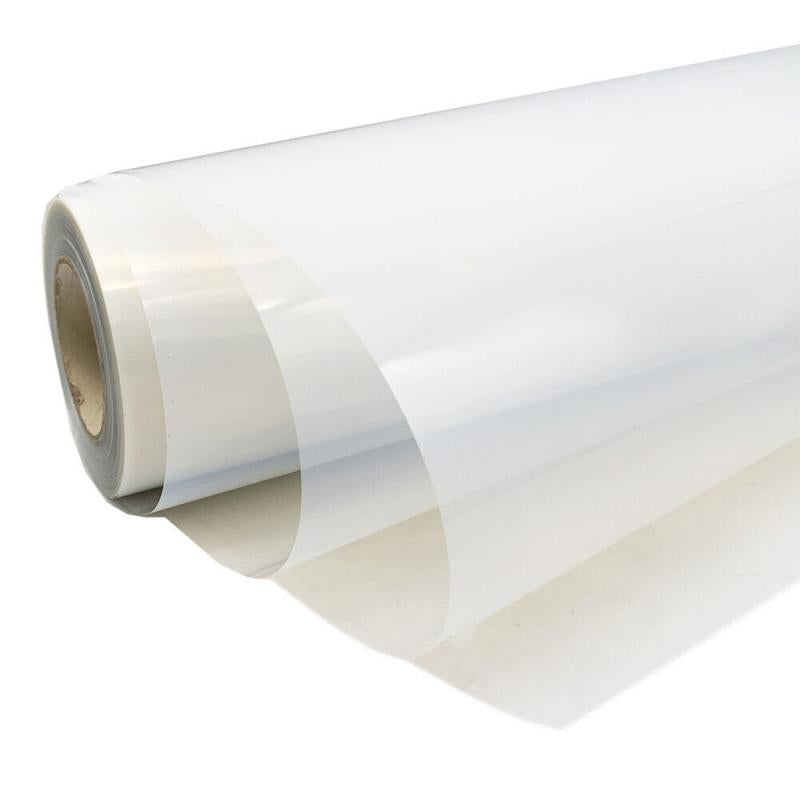
Leave dtf direct film in its original anti-static packaging. Re-seal it right after you cut sheets or measure a length. This bag or box blocks lint and reduces static charge on anti-static dtf film, keeping the coating clean.
Sealing is key for instant peel dtf direct film and premium double matt styles. The surface finish can pick up fine dust, which prints as tiny voids. Clean edges and a tight re-seal also help prevent dtf ink bleeding by reducing stray particles that disrupt wet ink.
Store rolls upright and sheets flat
Stand rolls vertically to avoid dents and flattening. This prevents pressure rings that can cause tracking issues at the printer. Keep sheets stacked flat in a drawer or cabinet, with a clean divider sheet between layers to reduce scratches on premium double matt surfaces.
- Rolls: upright, supported, no side pressure from heavy boxes
- Sheets: flat stacks, squared corners, light top weight only
- Before use: let cool-stored film warm to room temperature for 4–6 hours to reduce condensation
Control light, heat, and UV exposure
UV and bright shop light can dull the coating over time and weaken adhesion. Heat from a dryer lane, a heat press area, or a radiator can make film brittle or tacky. This reduces ink absorption and powder bonding for instant peel dtf jobs.
Use a dark cabinet or closed drawer, away from windows and hot zones. This storage approach helps keep releases steady on instant peel dtf direct film. It also maintains clean edges that support preventing dtf ink bleeding during curing.
Handle with clean, anti-static habits
Wear clean, lint-free gloves when loading or sorting anti-static dtf film. Skin oils and moisture can leave marks that shift dot gain, which is a problem on premium double matt finishes. Dust can also transfer into the print area.
Wipe shelves and drawers weekly with an anti-static cloth. Keep film off open tables where fibers collect. Less debris on the surface means fewer random defects, smoother powder coverage, and more reliable results with instant peel dtf.
Choosing moisture-resistant containers and packaging for professional DTF supplies
In a busy shop, how you store things is key to quality. When professional dtf supplies. are left out, they can get moisture, dust, and smells. This can affect how they print and cure. The same goes for DTF supplies when they're near screen printing stuff.
Container selection
For powder, pick containers that seal well and stay sealed. Glass jars with rubber gaskets or heavy-duty plastic tubs with tight lids are good. They keep out humidity and dust. Also, use opaque bins to protect from light and UV damage.
Film needs protection too, like waterproof inkjet positive film. It can get marks or haze if not stored right. Keep it in clean, sealed packaging and avoid dusty areas.
Vacuum sealing
Vacuum sealing is great for long storage. It reduces moisture and oxygen, which helps prevent powder clumps. Use thick, long-term vacuum bags and label them well. This way, they won't get mixed up with screen printing stuff.
Preventing shop contamination
Even with good seals, where you store things matters. Keep film and powder away from chemicals and strong smells. A special cabinet or tote area is best in shared spaces with screen printing.
- Separate by process: keep DTF stuff away from washout and pretreat areas.
- Block odor transfer: avoid shelves near inks, reducers, or aerosol cans.
- Stay consistent: return containers to the same spot after each shift.
Inventory labeling, FIFO rotation, and dtf production maintenance
Keeping inventory in check makes dtf production smooth in U.S. shops. It helps avoid reprints, missed deadlines, and waste in wholesale printing. This is because you can track batches easily.
- Powder labeling: mark every container with powder type, purchase date, and an expiration date if it’s provided. Clear labels prevent mix-ups that can show up as weak adhesion or uneven melt.
- Film labeling: label film by batch and date. Coatings can age over time, even when storage is solid, so tracking supports steady color and release.
Build a clean FIFO rotation flow so older stock moves first. Keep earlier dates at the front of the shelf, with new deliveries placed behind. Follow the same rule for rolls, sheets, and powder tubs from shl-supply.
Routine checks protect your professional screen solutions and reduce downtime. Inspect jars and bins for cracks, worn seals, or lids that no longer lock tight, then replace them before they leak air. Wipe rims and scoops to prevent residue, and swap desiccants once packs feel heavy or damp.
Use practical usability windows to plan work, not guess. Unopened film rolls often store about 6–12 months under ideal conditions, while opened rolls or sheets are best used within about 3–6 months. If aging is suspected, run a small test print before committing high-value wholesale printing supplies to a full run.
How SHL DTF/Screen Material supports consistent results in wholesale printing supplies
Keeping consistency is tough with changing humidity, dust, and light. SHL DTF/Screen Material was made to help creators scale without worry. It offers steady restocks and low prices through shl-supply.com for printing supplies across the United States.
What makes shl dtf/screen material special is its coating control. The lineup, including premium double matt dtf film, is made for real shop conditions. It handles moisture and temperature changes well, keeping ink holdout strong and powder bonding clean, even in imperfect storage.
Film choice is key at the press. The 36"x328' premium double matt instant peel dtf direct film is great for fast handling. Premium double matt options help with smooth feeding and even release. Choose peel style based on your workflow: cold peel after cooling, hot peel after about 14 seconds, and instant peel dtf removes right away.
Even with top-grade film, process control is essential. Use 0.45–0.6 MPa pressure, 155°C–165°C (311°F–329°F), and 8–12 seconds to avoid weak adhesion and edge lift. Use airtight storage, stable temperature and RH, desiccants, and FIFO checks to reduce defects like ink bleeding, poor bonding, and clog-prone powder in wholesale printing supplies production.

Leave a comment
This site is protected by hCaptcha and the hCaptcha Privacy Policy and Terms of Service apply.